A bowl of oatmeal, two eggs, and peanut butter toast all look like protein breakfasts. None reaches 25 grams on its own. The high-protein breakfast ideas worth keeping are the ones that close that gap without turning breakfast into a second dinner.
This guide solves the morning arithmetic. Every meal below clears 25 grams with a realistic serving, and the table shows what most recipe lists leave out: calories, fiber, prep time, and dietary fit. For daily targets, protein quality, and needs by age or activity, start with our high-protein foods guide. This page stays focused on breakfast.
Start with the decision rule
- Twenty-five grams is a practical breakfast target, not a biological switch. It gives many adults a workable share of the day's protein without forcing a huge evening meal.
- The fastest formula is a 20-gram anchor plus a 5- to 10-gram booster. Greek yogurt plus chia, eggs plus cottage cheese, or tofu plus nutritional yeast all clear the line.
- A high-protein breakfast without eggs is easy to build. Yogurt, cottage cheese, fish, poultry, tofu, tempeh, edamame, lentils, and soy can all do the heavy lifting.
- Protein should not crowd out fiber. Fruit, beans, oats, chia, or vegetables may improve fullness and keep the meal from becoming protein-only.
- Protein powder earns its place on rushed mornings. Twenty-one of the 25 meals below reach the target without it. The four that use powder treat it as a shortcut, including three fully plant-based options.
What counts as a high-protein breakfast?
On a food label, high in protein has a regulated meaning: the food must supply at least 20 percent of the applicable protein Daily Reference Value per reference amount customarily consumed. The current eCFR nutrient-content claim rule defines that threshold. It evaluates one food, not whether an assembled meal reaches a practical breakfast target.
We use 25 grams as the floor because it is substantial enough to change the meal while remaining achievable with ordinary food. It is not a prescription for every body. A smaller person with a modest daily target may need less; an athlete, a larger adult, or an older adult may prefer 30 to 40 grams. What matters is the day's total, not hitting an identical number at every meal.
The nutrition estimates below were calculated from generic foods in USDA FoodData Central and current Nutrition Facts labels for the cereal, seeds, and protein powders represented. Values are rounded, brands differ, and added cooking oil is not included. Use the label in your kitchen when an exact number matters.
25 high protein breakfast ideas with 25+ grams
Start with the row that fits the morning, not the one that looks most virtuous. A three-minute bowl you will make beats a freezer project you will not. In the flags column, PB means plant-based, EF egg-free, DF dairy-free, GF gluten-free, and MP meal-prep friendly. For GF meals, choose certified products and account for cross-contact.
| # | Breakfast and serving | Protein | Fiber | Calories | Prep | Dietary flags |
|---|---|---|---|---|---|---|
| 1 | Greek yogurt chia bowl: 1 cup plain nonfat Greek yogurt, 1/2 cup blueberries, 1 tbsp chia | 28 g | 6 g | 250 | 3 min | EF, GF, vegetarian |
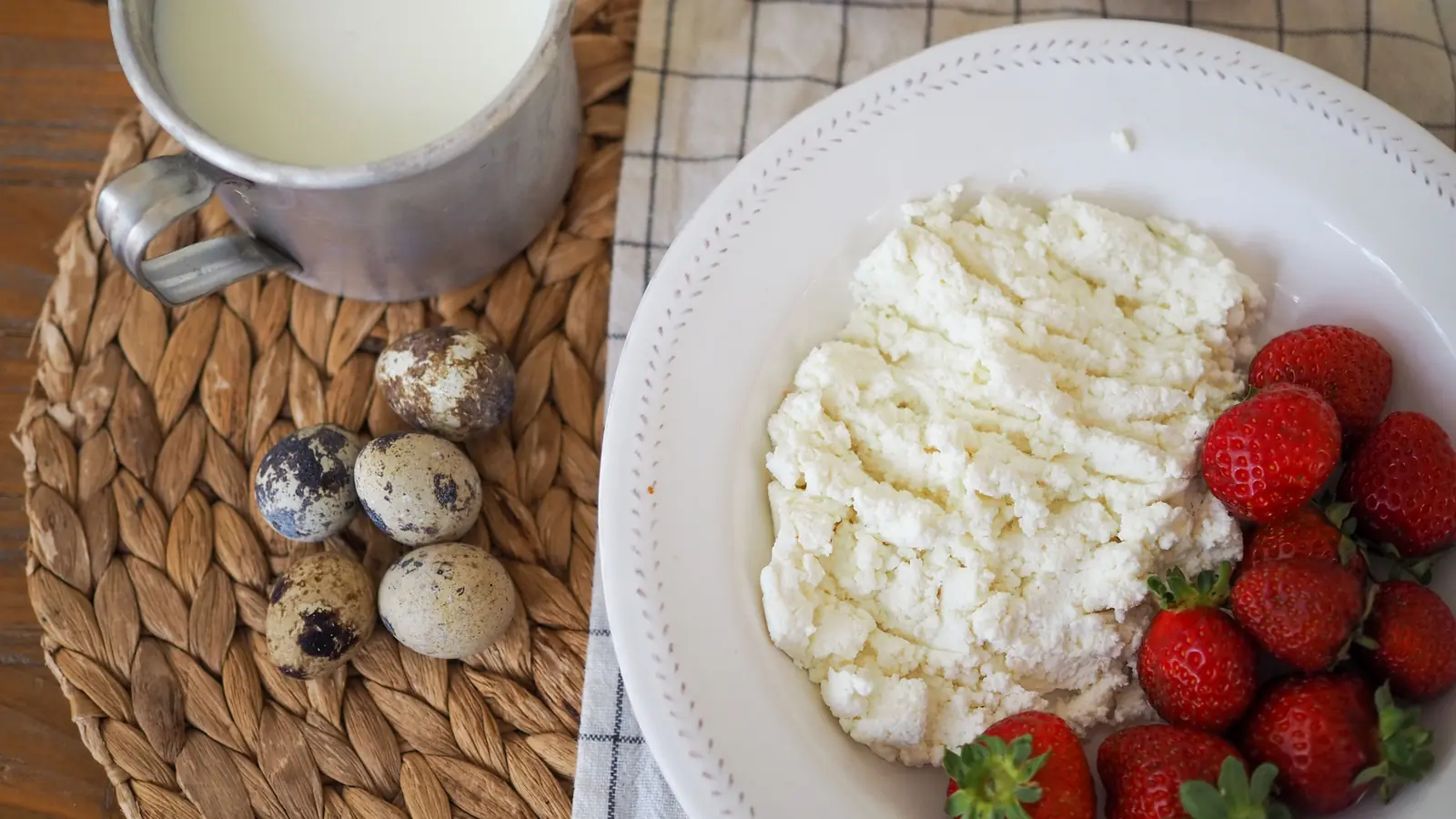
| 2 | Cottage cheese berry bowl: 1 cup 2% cottage cheese, 1/2 cup strawberries, 1 tbsp pumpkin seeds | 28 g | 2 g | 275 | 3 min | EF, GF, vegetarian |
| 3 | Skyr, raspberry, and peanut bowl: 1 cup plain skyr, 1 cup raspberries, 1 tbsp peanut butter | 30 g | 10 g | 310 | 3 min | EF, GF, vegetarian |
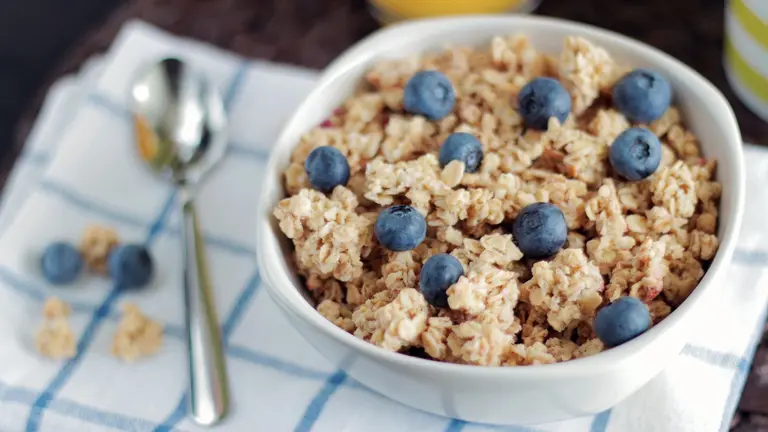
| 4 | Greek yogurt overnight oats: 3/4 cup Greek yogurt, 1/2 cup dry oats, 1/2 cup milk, 1 tbsp chia | 30 g | 8 g | 385 | 5 min + chill | EF, MP, vegetarian |
| 5 | Protein cereal with soy and hemp: 1 cup unsweetened protein cereal, 1 cup soy milk, 3 tbsp hemp hearts | 25 g | 8 g | 360 | 2 min | PB, EF, DF, GF |
| 6 | Whey berry smoothie: 1 label serving whey, 1 cup 2% milk, 1 cup mixed berries | 30 g | 6 g | 315 | 5 min | EF, GF |
| 7 | Plant protein berry smoothie: 1 label serving plant protein, 1 cup soy milk, 1 cup mixed berries | 30 g | 11 g | 280 | 5 min | PB, EF, DF, GF |
| 8 | Cottage cheese tomato toast: 1 cup 2% cottage cheese, 2 slices whole-grain toast, tomato and pepper | 33 g | 4 g | 355 | 5 min | EF, vegetarian |
| 9 | Smoked salmon cottage toast: 3 oz smoked salmon, 1/2 cup cottage cheese, 2 slices whole-grain toast | 36 g | 3 g | 335 | 5 min | EF |
| 10 | Turkey and cheese roll-ups: 4 oz roasted turkey breast, 1 oz cheddar, 1 medium apple | 31 g | 4 g | 330 | 4 min | EF, GF |
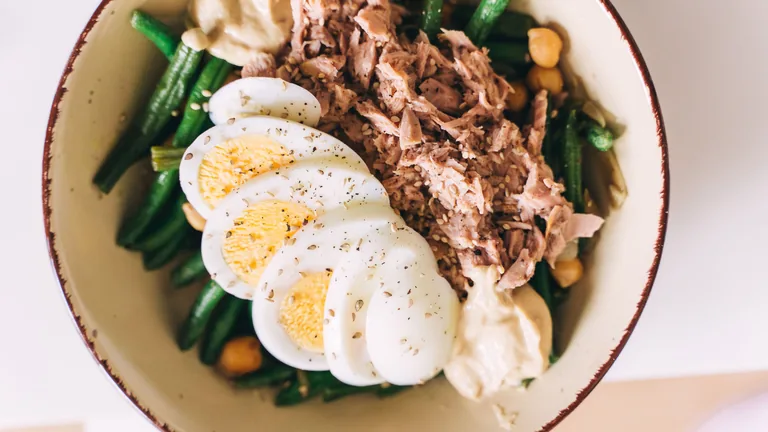
| 11 | Tuna white-bean breakfast bowl: 5 oz water-packed tuna, 1/2 cup white beans, tomato, greens, lemon | 35 g | 7 g | 275 | 5 min | EF, DF, GF |
| 12 | Egg and egg-white scramble: 2 large eggs, 4 egg whites, spinach, bell pepper | 28 g | 2 g | 255 | 8 min | DF, GF |
| 13 | Cottage cheese protein pancakes: 2 large eggs, 1/2 cup cottage cheese, 1/2 cup oats | 32 g | 4 g | 390 | 12 min | GF, vegetarian |
| 14 | Black bean breakfast burrito: 2 eggs, 1/2 cup black beans, 1 oz cheddar, 1 whole-wheat tortilla | 30 g | 10 g | 490 | 10 min | MP, vegetarian |
| 15 | Turkey egg-white muffin cups: 1 cup liquid egg whites, 2 oz cooked lean turkey, spinach and peppers | 39 g | 2 g | 255 | 10 min + bake | DF, GF, MP |
| 16 | Chicken edamame skillet: 3 oz cooked chicken breast, 1/2 cup shelled edamame, mushrooms and peppers | 37 g | 7 g | 285 | 10 min | EF, DF, GF, MP |
| 17 | Turkey egg breakfast sandwich: 2 eggs, 2 oz turkey patty, 1 oz cheddar, 1 whole-wheat English muffin | 40 g | 4 g | 490 | 10 min | MP |
| 18 | Tofu scramble: 8 oz extra-firm tofu, 2 tbsp nutritional yeast, spinach and peppers | 31 g | 4 g | 315 | 12 min | PB, EF, DF, GF |
| 19 | Tempeh sweet-potato hash: 4 oz tempeh, 1/2 cup edamame, 1/2 cup sweet potato, peppers | 33 g | 13 g | 435 | 15 min | PB, EF, DF, GF, MP |
| 20 | Plant protein baked oats: 1 label serving plant protein, 1/2 cup oats, 3/4 cup soy milk, 1 tbsp chia | 34 g | 15 g | 400 | 5 min + bake | PB, EF, DF, GF, MP |
| 21 | Edamame quinoa breakfast bowl: 1 cup shelled edamame, 1 cup cooked quinoa, greens and salsa | 28 g | 15 g | 430 | 5 min reheat | PB, EF, DF, GF, MP |
| 22 | Lentil tofu breakfast soup: 1 cup cooked lentils, 4 oz extra-firm tofu, tomato and vegetables | 32 g | 18 g | 385 | 5 min reheat | PB, EF, DF, GF, MP |
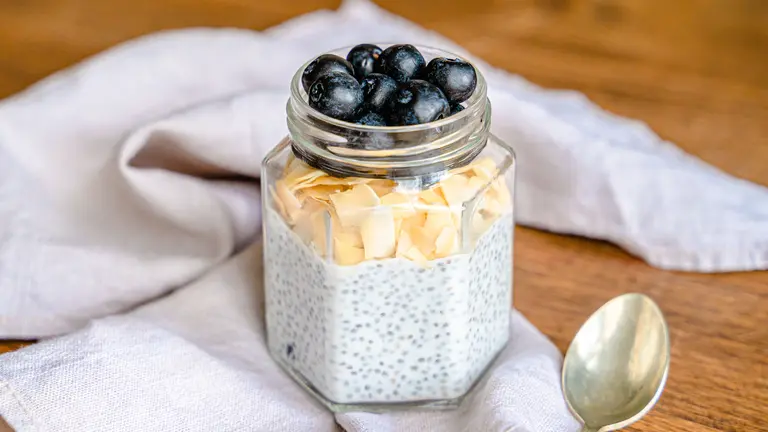
| 23 | Chia plant-protein pudding: 1 label serving plant protein, 2 tbsp chia, 1 cup soy milk | 33 g | 15 g | 330 | 5 min + chill | PB, EF, DF, GF, MP |
| 24 | Quinoa black-bean seed bowl: 1 cup quinoa, 1/2 cup black beans, 1/4 cup pumpkin seeds, 2 tbsp nutritional yeast | 29 g | 15 g | 540 | 5 min reheat | PB, EF, DF, GF, MP |
| 25 | Turkey breakfast chili: 3 oz cooked lean turkey, 1/2 cup black beans, tomato, pepper and spices | 31 g | 9 g | 340 | 5 min reheat | EF, DF, GF, MP |
Macro note: These are meal estimates, not laboratory values. Plain dairy products and lean meats vary by fat level; tofu, bread, cereal, and protein powders vary widely by brand. Cooking with 1 teaspoon of oil adds about 40 calories. Smoked fish, deli turkey, cheese, and prepared sauces can also raise sodium quickly.
Choose a high-protein breakfast by prep time and diet
Quick, no-cook high-protein breakfasts in five minutes
The first eleven meals need assembly, blending, or a toaster at most. The highest-return staples are plain Greek yogurt, cottage cheese, canned tuna, cooked turkey, soy milk, and a cereal that contributes meaningful protein rather than borrowing the word from its marketing. Our guide to the healthiest cereal choices shows how to check protein, fiber, sugar, and serving size together.
Notice what the table does not do: count two tablespoons of peanut butter as the main protein. Nut butter contributes about 7 to 8 grams, but its calories climb faster than its protein. Treat it as a booster. The same rule applies to chia and hemp hearts. They are valuable ingredients, especially for fiber or minerals, but they work best beside a stronger anchor.
High-protein breakfast smoothies
For a smoothie that actually clears 25 grams, begin with a measured anchor rather than hoping several small additions add up. One label serving of whey with milk reaches about 30 grams; a plant powder plus soy milk does the same without dairy. Berries add fiber and volume. Nut butter, chia, and hemp can improve texture or nutrition, but using all three can turn a drink into a high-calorie meal without adding much more protein.
High-protein breakfast meal prep
Cold prep is the lowest-friction route. Make two or three jars of overnight oats or chia pudding at once, portion the dry toppings separately, and add berries when you eat. For hot meals, cook one flexible base rather than five complete breakfasts: a batch of baked oats, a pot of lentil-tofu soup, or a tray of egg-white muffin cups. That keeps texture and seasoning adjustable through the week.
A practical prep sequence takes care of most of the work: cook one grain, roast one tray of vegetables, prepare one protein, and portion two sauces or toppings. Quinoa plus edamame can become a savory bowl; quinoa plus black beans becomes a warmer, higher-fiber option. Lean turkey can fill muffin cups one day and chili the next. Repetition lives in the ingredients, not in the finished meal.
High-protein breakfast without eggs
Eggs help, but they are not especially protein-dense on their own. Two large eggs supply roughly 13 grams, so an egg breakfast still needs help to cross 25. If eggs are off the table because of allergy, cost, taste, or repetition, rows 1 through 11, row 16, and rows 18 through 25 give you twenty alternatives.
For a dairy-based option, use a full cup of Greek yogurt, skyr, or cottage cheese as the anchor. For dairy-free eating, choose tuna, poultry, tofu, tempeh, edamame, lentils, or a soy-and-seed cereal bowl. An egg-free label does not automatically mean allergy-safe; breads, protein powders, and packaged foods may be made on shared equipment, so check the actual package.
Keep the fiber: high-protein, plant-based, and balanced options
A breakfast can hit 30 grams and still be nutritionally thin. Egg whites and a shake may satisfy the protein column while leaving fiber close to zero. The fix is not another scoop. Add a cup of berries, beans, oats, chia, edamame, lentils, or vegetables.
The strongest protein-plus-fiber choices in the matrix are the plant protein baked oats, edamame quinoa bowl, lentil tofu soup, chia protein pudding, and quinoa black-bean seed bowl. Each reaches at least 15 grams of fiber. If that is a sharp increase from your usual breakfast, scale up gradually and drink enough fluid. Our fiber guide explains targets and the difference between soluble and insoluble fiber; the chia guide covers soaking, serving size, and the dry-swallow hazard.
Plant-based breakfasts need deliberate construction because oats, nuts, and seeds rarely reach 25 grams in normal portions by themselves. Soy foods make the cleanest bridge. A cup of edamame supplies roughly 18 grams; tofu and tempeh can anchor a savory meal; soy milk adds about 7 grams per cup. Pea, rice, or blended plant powder closes a gap when appetite or time is tight. If powder is doing regular duty, compare amino-acid blend, sweeteners, third-party testing, and serving size with our plant-based protein powder guide.
Lower-calorie, low-carb, and weight-loss choices
Fourteen meals in the table land near or below 350 calories: the Greek yogurt bowl, cottage cheese bowl, skyr bowl, both smoothies, smoked salmon cottage toast, turkey roll-ups, tuna-bean bowl, egg-and-egg-white scramble, turkey egg-white muffin cups, chicken-edamame skillet, tofu scramble, chia pudding, and turkey chili. That count is intentionally generous because exact labels can move a meal across the line. For the lowest calorie cost per gram of protein, start with nonfat Greek yogurt, tuna, egg whites, lean poultry, or a lean plant powder. Keep measured amounts of oil, cheese, nuts, seeds, and avocado for flavor rather than assuming they are free additions.
A high-protein breakfast may help some people feel satisfied, but it does not make breakfast a fat-loss requirement. In a 16-week randomized trial of 309 adults, advice to eat breakfast or skip it produced no meaningful difference in weight loss. Ask whether a particular breakfast makes your whole day easier to manage.
For lower-carb mornings, use rows 12, 15, 16, 18, or 23, then confirm the packaged-food labels. Low carb does not need to mean fiber-free. Chia, edamame, peppers, and greens preserve volume and fiber without relying on toast or a large grain portion.
People taking appetite-suppressing medication face a related problem: protein and fiber must fit into a smaller meal. Our guide to eating on GLP-1 medications covers protein, fiber, nausea, constipation, and muscle retention without pretending one breakfast treats a side effect.
Build your own 25-gram breakfast
You do not need another recipe once you can see the structure. Build the meal in three moves.
- Choose one anchor worth 18 to 25 grams. Use 1 cup Greek yogurt or cottage cheese, 5 oz tuna, 3 to 4 oz poultry, 8 oz extra-firm tofu, 4 oz tempeh, 1 cup edamame, or one label serving of protein powder.
- Add a 5- to 10-gram booster. Good options include 1/2 cup beans, 1/2 cup edamame, 3 tbsp hemp hearts, 1/4 cup pumpkin seeds, 1 cup soy milk, 2 tbsp nutritional yeast, an ounce of cheese, or several egg whites.
- Finish with fiber and flavor. Add berries, chia, oats, whole-grain bread, beans, vegetables, salsa, herbs, or fruit. This is where the meal becomes pleasant enough to repeat.
Then check the portion once. A yogurt cup may contain 12 grams or 25. A tofu block may list 8 grams per serving while quietly containing four servings. Cereal portions range from a sparse half cup to a full cup. The front of the package describes the idea; the Nutrition Facts panel supplies the arithmetic.
Budget high-protein breakfasts
Package price alone cannot show value. Divide the price by the number of servings that deliver 25 grams, then compare that cost across eggs and egg whites, larger tubs of plain yogurt or cottage cheese, tofu, dry lentils or beans, canned tuna, and protein powder. Store, season, and brand can change the winner. Batch-cooking beans, baked oats, muffin cups, or tofu also reduces the convenience premium paid for single-serve breakfasts.
If breakfast has to leave the house, pack components with different textures separately. Keep cereal away from yogurt, toast away from wet toppings, and fruit away from hot eggs until the last moment. For days when breakfast is light or late, the same protein anchors work in our list of high-protein, low-sugar snacks. Pantry staples for many of these combinations also live in the breakfast collection.
Frequently asked questions
What can I eat for breakfast with 30 grams of protein?
A cup of plain Greek yogurt with chia and berries lands near 28 grams; add a tablespoon of hemp hearts to pass 30. Other direct routes include two eggs plus four egg whites, a cup of cottage cheese on whole-grain toast, a 5-ounce tuna and bean bowl, or an 8-ounce tofu scramble with nutritional yeast.
What is the best high-protein breakfast?
The best option is one that reliably reaches your target, fits your morning, and includes fiber. Greek yogurt with berries and chia works well for speed; egg-white muffin cups or baked oats suit meal prep; tofu scramble or a soy-based smoothie works without dairy. The matrix lets calories, prep time, and dietary needs break the tie.
How much protein should I eat at breakfast?
There is no universal breakfast number. This guide uses 25 grams as a practical planning floor, while a workable share depends on total daily needs, body size, age, activity, appetite, and medical context. Spreading protein across meals can be easier than saving most of it for dinner, but the day's total remains the main target.
What is a high-protein breakfast without eggs?
Use one cup of Greek yogurt, skyr, or cottage cheese; 5 ounces of tuna; 3 to 4 ounces of poultry; 8 ounces of tofu; 4 ounces of tempeh; or a cup of edamame as the main protein. Pair it with fruit, vegetables, beans, oats, or seeds for fiber. Twenty meals in the matrix are egg-free.
Is oatmeal a high-protein breakfast?
Plain oatmeal is a whole-grain breakfast, but it is not high in protein by itself. One-half cup of dry oats supplies about 5 grams. Greek yogurt, soy milk, cottage cheese, hemp hearts, or a measured protein powder can bring overnight oats above 25 grams.
Can I get 25 grams without protein powder?
Yes. Twenty-one meals in the table use no powder. Greek yogurt, cottage cheese, fish, turkey, chicken, eggs plus egg whites, tofu, tempeh, edamame, and lentils all reach the target with normal portions.
What is the quickest high-protein breakfast?
A Greek yogurt bowl, cottage cheese bowl, protein cereal with soy milk and hemp, turkey roll-ups, or a tuna-bean bowl takes two to five minutes. The fastest hot option is an egg-and-egg-white scramble at about eight minutes.
What is a good low-calorie high-protein breakfast?
Try Greek yogurt with berries and chia at about 250 calories and 28 grams of protein, tuna with white beans at about 275 calories and 35 grams, or an egg-and-egg-white vegetable scramble at about 255 calories and 28 grams. Check your labels and count cooking fat.
What is a low-carb high-protein breakfast without eggs?
A cottage cheese berry bowl, turkey and cheese roll-ups, tuna with white beans in a modest portion, a chicken-edamame skillet, or tofu scramble can fit. Carbohydrate needs and definitions vary, so use the Nutrition Facts labels and choose a level that preserves enough fiber.
Is 25 grams of protein at breakfast too much?
For many healthy adults, 25 grams is a moderate meal-sized amount. The right number depends on body size, total daily needs, activity, age, kidney health, appetite, and the other meals in the day. A clinician or registered dietitian can individualize the target if you have kidney disease, are pregnant, or have another condition that changes protein needs.
The bottom line
The best high-protein breakfast is not the meal with the biggest number. It is the smallest repeatable structure that clears your target, includes fiber and flavor, and still fits the rest of the day. Pick an 18- to 25-gram anchor, add one booster, and finish with fruit, beans, grains, or vegetables. That formula turns ordinary breakfast food into a real meal without making every morning a recipe project.