The words "high protein" and "low sugar" sit side by side on a snack wrapper as if they carry the same weight. They do not. One is a claim the government defines with a hard number behind it. The other is a phrase a brand can print almost at will, because the agency that polices food labels never wrote a rule for it. Learn which is which and you can read the front of a snack box in about three seconds - and stop paying a premium for marketing dressed up as nutrition.
This guide is about the snacks that genuinely deliver both: real protein to keep you full and steady, without a hidden spoonful of added sugar riding along. We will cover what those two label phrases legally mean, how much protein a snack should actually carry, the whole-food and packaged options worth keeping on hand, and the label habits that separate a true high-protein, low-sugar snack from a candy bar in athletic clothing. If you want to shop as you read, our snacks collection spans every category below.
Key takeaways
- "High protein" is a legal threshold: at least 10 grams per serving. The claim requires 20% of protein's 50-gram Daily Value, while "good source of protein" means 5 to 9 grams.
- "Low sugar" is not a regulated claim. The FDA defines "sugar free," "reduced sugar," and "no added sugars," but "low sugar" itself has no rule - so read the number yourself.
- Protein plus low sugar is the pairing that works. Protein keeps you full while low sugar avoids the spike-and-crash, so the combination beats either one alone.
- Aim for 7 to 20 grams of protein, depending on the job. A bridge between meals can sit around 7 to 10 grams, while a post-workout or meal-replacement snack is better at 15 to 20.
- Watch added sugar, not just total sugar. Natural sugar in fruit or dairy is fine; aim to keep added sugar in the low single digits.
- The best picks are protein-dense whole foods. Choose snacks that hit your protein target with little added sugar rather than candied "protein" treats.
What "high protein" and "low sugar" actually mean on a label
Here is the asymmetry that changes how you shop. Under federal labeling rules, "high" (and its twins "rich in" and "excellent source of") is only allowed when a serving delivers at least 20 percent of the Daily Value for that nutrient. Protein's Daily Value is 50 grams, so a snack has to provide at least 10 grams of protein per serving to legally call itself high-protein. "Good source of protein" is the next tier down: 10 to 19 percent of the Daily Value, or roughly 5 to 9 grams per serving. Those are real, enforceable thresholds.
"Low sugar" has no such rule. The Food and Drug Administration defines "sugar free" (less than 0.5 grams per serving), "reduced sugar" (at least 25 percent less than the regular version), and "no added sugars" (nothing sweet added during processing, though natural sugars may remain) - but it has never set a definition for the phrase "low sugar." That means a brand can stamp "low sugar" on the front while the back lists far more than you would guess. The phrase tells you about a marketing department, not about the food.
So you ignore the front and read two lines on the back instead. On the Nutrition Facts panel, "Total Sugars" sits below carbohydrates, and indented beneath it is "Includes Xg Added Sugars" - a line the FDA has required since the 2016 label update. Total sugars include the natural sugar in milk, fruit, or a date; added sugars are the ones stirred in. For a snack, the number that matters most is added sugars: that is the one health authorities tell us to limit. The American Heart Association recommends no more than 25 grams of added sugar a day for women and 36 grams for men, and the Dietary Guidelines for Americans cap added sugar at under 10 percent of daily calories - about 50 grams on a 2,000-calorie day. A single conventional granola bar or sweetened yogurt can spend a third of that in one sitting.
Put the two together and a genuinely high-protein, low-sugar snack is a simple target: at least 10 grams of protein (or 5-plus for a smaller bite), and added sugar low enough that one serving does not eat into your daily budget - generally a few grams, not a dozen. Everything below is built around hitting that target without trusting the front of the box.
Why protein plus low sugar is the pairing that works
Snacking is not the problem. Snacking on the wrong things is. A snack built on refined carbohydrate and added sugar digests fast, nudges blood sugar up, and tends to leave you hungry again sooner - which is how a 3 p.m. cookie quietly becomes a second cookie. Protein behaves differently. It is the most satiating of the three macronutrients, and research consistently suggests that higher-protein snacks help people feel fuller and eat less at the next meal. Pair that protein with fiber and a little healthy fat, and you get a snack that holds you for hours instead of minutes.
The low-sugar half matters for the same reason in reverse. Protein, fiber, and fat all slow digestion, which tends to blunt the sharp blood-sugar rise a plain sugary snack can cause and the dip that follows it. This is general nutrition, not medicine, and individual responses vary - if you manage diabetes or take blood-sugar medication, your clinician's guidance comes first. But the pattern is consistent and it is why a handful of almonds and a cheese stick leaves you steadier than a fruit-snack pouch of the same calories. For the bigger picture, our overview of balancing blood sugar with food and daily habits walks through how meal and snack composition shapes the curve.
There is also a reason this exact pairing is everywhere right now. As more people use appetite-lowering medications and as "protein" becomes the wellness word of the decade, demand has shifted toward small, nutrient-dense, high-protein, low-sugar bites with real "value per bite" rather than empty volume. The marketing has gotten loud. The underlying idea - protein first, sugar low - is sound and predates the hype.
How much protein should a snack actually have?
Aim for 7 to 20 grams of protein per snack, depending on its job. A small bridge between meals can sit around 7 to 10 grams; a snack standing in for a light meal or following a workout is better at 15 to 20 grams. For added sugar, the lower the better - look for snacks in the low single digits, and treat anything in the teens as an occasional treat rather than a daily habit.
That snack range only makes sense against your daily total. The Recommended Dietary Allowance for protein is 0.8 grams per kilogram of body weight - roughly 46 grams a day for an average woman and 56 grams for an average man. Read that as a floor that prevents deficiency, not a performance target: older adults, very active people, and anyone building or protecting muscle generally do better above it, and many nutrition researchers now argue the comfortable range for active adults sits higher. Snacks are where a lot of people quietly close the gap, because three meals often do not get them there on their own. Two well-chosen snacks at 15 grams each add 30 grams of protein to a day - frequently the difference between falling short and landing comfortably.
One caution worth stating plainly: more protein is not automatically better, and a snack is not a supplement. If you have kidney disease or another condition that calls for managing protein intake, the targets above do not apply to you - follow your healthcare provider's advice instead.
The best high-protein, low-sugar snacks
Start with whole foods. They tend to be the cheapest source of protein per dollar, they carry fiber and micronutrients a wrapper cannot, and most of them have little or no added sugar to begin with. Here is how the everyday options compare on the numbers that matter, per typical serving.
| Snack (serving) | Protein | Sugar | Fiber | Best for |
|---|---|---|---|---|
| Plain nonfat Greek yogurt (3/4 cup) Most protein | ~17 g | ~6 g | 0 g | The most protein per serving; sugar is natural lactose |
| Dry-roasted edamame (1/4 cup) | ~13 g | ~3 g | ~4 g | Plant protein and fiber with real crunch |
| Low-fat cottage cheese (1/2 cup) | ~12 g | ~5 g | 0 g | Creamy, filling, sugar is natural dairy sugar |
| Beef jerky or biltong (1 oz) | ~9-12 g | 0-6 g | 0 g | Portable and savory; check the sugar, it varies a lot |
| Pumpkin seeds, hulled (1 oz) | ~9 g | ~1 g | ~1.7 g | Protein plus magnesium and zinc |
| Cheese, cheddar or string (1 oz) | ~7 g | ~0-1 g | 0 g | Zero-sugar grab-and-go |
| Almonds (1 oz, about 23) | ~6 g | ~1 g | ~3.5 g | Protein, fiber, and healthy fat together |
| Hard-boiled egg (1 large) | ~6 g | ~0.6 g | 0 g | The cheapest whole-food protein there is |
| Roasted chickpeas (1 oz) | ~5 g | ~1 g | ~5 g | The most fiber on the list, crunchy |
| Dark chocolate, 85% (1 oz) | ~3 g | ~7 g | ~3 g | A lower-sugar treat - the sugar high point here |
Values are per typical serving, rounded, and vary by brand and preparation; they draw on USDA FoodData Central reference entries and manufacturer Nutrition Facts panels. "Sugar" is total sugars - in the dairy rows that is naturally occurring lactose, not added sugar.
Nuts, seeds, and roasted legumes
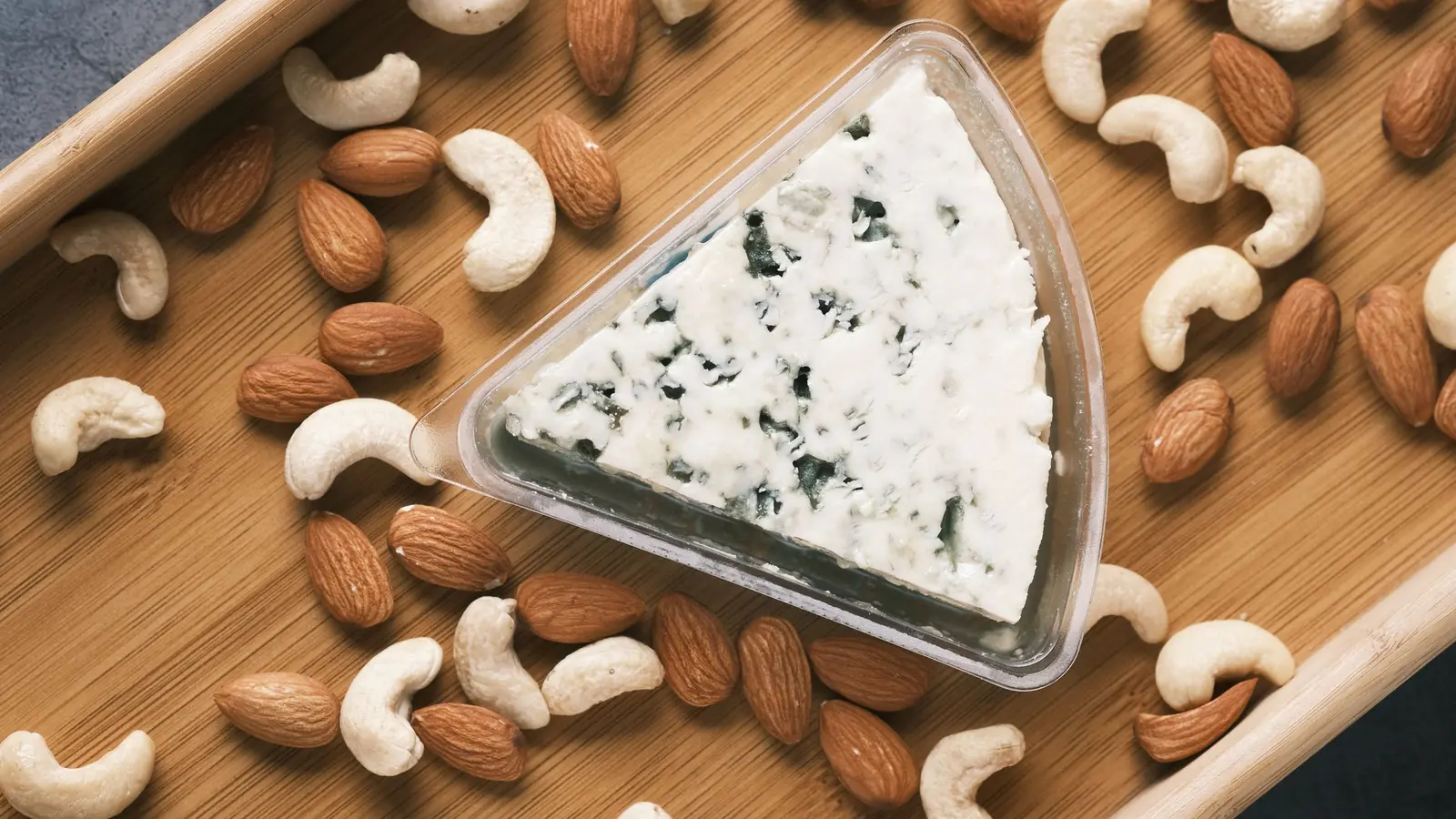
This is the strongest aisle in the whole category, because the protein, fiber, and healthy fat come pre-bundled and the added sugar is usually zero. Organic raw whole almonds bring about 6 grams of protein and 3.5 grams of fiber to a one-ounce handful; organic pumpkin seeds push protein closer to 9 grams while adding magnesium and zinc. Roasted legumes are the rising star here: dry-roasted edamame delivers a striking 13 grams of plant protein and 4 grams of fiber per quarter cup with only a few grams of natural sugar, and roasted chickpeas give you the most fiber on the list. Browse the full nuts and seeds selection for portion-friendly sizes, and watch for two traps: "honey roasted" or "candied" coatings add the sugar you just worked to avoid, and trail mix often hides chocolate and dried fruit that change the math entirely.
Jerky, biltong, and meat snacks
Dried-meat snacks are protein-dense and shelf-stable, which makes them ideal for a bag, a desk drawer, or a road trip. The catch is sugar: many conventional jerkies are glazed with teriyaki or brown-sugar marinades that can add 5 or 6 grams per serving. The fix is to read the label and favor minimally sweetened styles. Air-dried grass-fed beef biltong is a standout because traditional biltong is cured with vinegar and spices rather than sugar, so it often lands at zero grams of sugar with 10-plus grams of protein per ounce. Turkey sticks and salmon strips are good rotations when you want variety. Sodium and the curing ingredients deserve the same attention, which is where our guide to meat sticks and beef jerky picks up.
Dairy and eggs
Plain Greek yogurt and cottage cheese are the two highest-protein snacks most people already have in the fridge - roughly 17 and 12 grams per serving, with only the natural lactose sugar. The word that matters is "plain." Flavored yogurts can carry 15 to 20 grams of added sugar, which erases the advantage; buy plain and sweeten it yourself with a few berries or a spoonful of seeds if you want. A hard-boiled egg, a cheese stick, or a small wedge of cheese rounds out the no-added-sugar, grab-and-go end of the list.
A smarter sweet: dark chocolate
A high-protein, low-sugar plan does not have to be joyless, but be honest about where chocolate sits. Even a good 85% bar carries around 7 grams of sugar per ounce - the highest sugar figure in our table - so it is a portion-controlled treat, not a protein source. The higher the cocoa percentage, the less sugar and the more fiber, which is why a square of 85% dark chocolate beats a milk-chocolate bar by a wide margin. Pair a square with a handful of almonds and you have turned dessert into something with protein and fiber attached. Our snacks collection keeps the better treat options in one place.
Protein bars: the grab-and-go category that needs the most label-reading
Bars are the most convenient high-protein snack and the most likely to fool you, because "protein bar" and "candy bar" can have nearly identical Nutrition Facts panels. The good news is that a strong tier of bars now hits genuine high-protein numbers with the added sugar held low. The honest tradeoff runs along one axis: the lowest-sugar bars tend to use whey isolate or sugar alcohols to get there, while the cleanest-ingredient organic bars accept a few grams more sugar in exchange for whole-food sweeteners and extra fiber. Here is how four in-stock options compare on exactly that axis.
Quick comparison
Four high-protein, low-sugar bars, one decision axis
All four clear the high-protein bar and keep sugar low. The choice comes down to one tradeoff: maximum protein with the least sugar (whey or sugar alcohols) versus organic whole-food ingredients with a few grams more sugar and more fiber. Use the same label habits from this guide and pick the row that matches your priority.
| Product | Protein | Sugar | Best for |
|---|---|---|---|
| think! High Protein Bar, Brownie Crunch Whey-based, sweetened with sugar alcohols. | ~20 g | 0 g | The most protein and the least sugar; best when protein is the whole point. |
| IQBAR Almond Butter Chip Plant-based, keto-friendly, gluten-free. | ~12 g | 1 g | The lowest-sugar vegan option; low-carb and dairy-free. |
| ALOHA Organic Peanut Butter Chocolate Chip USDA Organic, vegan, whole-food ingredients. | ~14 g | 4 g | Cleanest label with a huge 13 g of fiber; organic and plant-based. |
| Raw Rev Glo Peanut Butter Dark Chocolate Plant-based with sprouted ingredients. | ~11 g | 3 g | A whole-food vegan middle ground between sugar and protein. |
If you also keep protein powder on hand, a bar is really a portable version of the same idea - our guides to the complete plant-based protein playbook and to grass-fed whey protein cover how to choose the base that fits you.
How to read a snack label without getting fooled
The front of the package is advertising; the back is the contract. Five habits let you judge any snack in under a minute.
- Find the added-sugars line, not just total sugars. Total sugars include the natural sugar in dairy or fruit, which is fine. The "Includes Xg Added Sugars" line directly beneath it is the one to keep low - ideally low single digits for a snack.
- Check protein per serving, then check the serving size. A bar may headline "20 g protein" that turns out to be measured per two-bar package. Confirm the grams line up with the serving you will actually eat, and remember the legal bar for "high protein" is 10 grams per serving.
- Read the first two or three ingredients. For a real protein snack, a protein source - nuts, seeds, a legume, dairy, egg, or a named protein - should appear near the top. If sugar, syrup, or a refined flour leads the list, you are holding a treat regardless of the front-of-box claim.
- Know your sweeteners. "No added sugar" bars often use sugar alcohols (erythritol, maltitol) or stevia to stay low. They keep sugar grams down, which is the goal, but large amounts of sugar alcohols can cause bloating or digestive upset in some people - worth knowing before you eat three.
- Treat "keto," "paleo," and "low sugar" as starting filters, not proof. None of those words is a regulated nutrition claim. They narrow the shelf; the Nutrition Facts panel makes the final call.
Build-your-own: pairings that hit protein and stay low in sugar
The most reliable high-protein, low-sugar snack is often two simple foods together, one bringing protein and the other bringing fiber or crunch. A few combinations that travel well:
- Plain Greek yogurt + pumpkin seeds - roughly 20-plus grams of protein, fiber from the seeds, and you control the sweetness.
- Cheese stick + almonds - zero added sugar, healthy fat, and protein from two sources; the easiest desk-drawer pairing there is.
- Biltong + roasted chickpeas - a savory, crunchy combination that clears 15 grams of protein with almost no sugar.
- Cottage cheese + a square of 85% dark chocolate - a dessert-feeling snack where the protein outweighs the few grams of sugar.
- Hard-boiled egg + a handful of edamame - whole-food protein from two angles for well under 200 calories.
Notice what is missing: fruit-on-its-own and crackers-on-their-own are fine foods, but as snacks they lean carbohydrate and need a protein partner to earn a place on this list. Adding fiber-rich foods is a habit worth building for more than snacking - our guide to fiber explains why most people fall short and how to close the gap comfortably.
Common mistakes that quietly add sugar
Most snack misfires are not obvious junk food - they are foods wearing a health halo. Watch for these:
- Granola and granola bars. Often bound together with honey, brown rice syrup, or cane sugar; many carry 10 to 15 grams of added sugar with only a few grams of protein. A genuine protein bar or a handful of nuts usually wins.
- Flavored and "fruit on the bottom" yogurt. The protein is real, but the added sugar can rival a dessert. Buy plain and add your own fruit.
- Dried fruit as a "low sugar" snack. Drying concentrates natural sugar, so a small handful can carry as much sugar as candy, with little protein. Pair a little with nuts rather than eating it alone.
- Date-sweetened "clean" bars. Bars built on dates and fruit can be wholesome and still run 12 to 16 grams of sugar. They are not wrong - just know they are not low-sugar, and read them as a fruit-and-nut bar, not a protein bar.
- Protein cookies and protein candy. Adding a scoop of protein to a dessert does not make it a high-protein, low-sugar snack. Check both numbers; the sugar often gives it away.
Frequently asked questions
What counts as a high-protein snack?
By federal labeling rules, a food can only be called "high protein" when a serving provides at least 20 percent of the Daily Value for protein - that is 10 grams per serving, since protein's Daily Value is 50 grams. A "good source" of protein is 5 to 9 grams per serving. For a practical snack target, aim for 7 to 10 grams for a small bite and 15 to 20 grams for a snack that replaces a light meal.
Does "low sugar" on the front of a package mean anything?
Not really. The FDA defines "sugar free," "reduced sugar," and "no added sugars," but it has never defined "low sugar," so a brand can use the phrase loosely. Ignore it and read the "Includes Xg Added Sugars" line on the Nutrition Facts panel instead - that number is the one that counts.
How much sugar is too much for a snack?
There is no single cutoff, but a useful frame is your daily budget. The American Heart Association suggests keeping added sugar under 25 grams a day for women and 36 grams for men. A snack that spends a third of that in one bite is working against you. Aim for added sugar in the low single digits, and save the higher-sugar options for occasional treats.
Are protein bars actually healthy snacks?
The best ones are - convenient, genuinely high in protein, and low in sugar. The problem is that some "protein bars" are closer to candy. Read the panel: look for at least 10 grams of protein, added sugar in the low single digits, and a protein source near the top of the ingredient list. The four bars compared above all clear that bar.
What are the best high-protein snacks for weight management?
Whole-food options usually win, because they bring fiber and volume along with protein and almost no added sugar - plain Greek yogurt, edamame, a hard-boiled egg, cottage cheese, nuts, and seeds are all strong choices. Protein and fiber together help you feel full, which is the mechanism that makes snacking work for you rather than against you. This is general nutrition guidance, not a weight-loss treatment; for medical advice, talk with your healthcare provider.
Are nuts and seeds too high in fat to be a good snack?
No. The fat in nuts and seeds is mostly the unsaturated kind, and it comes packaged with protein, fiber, and minerals. Portion matters - an ounce is a handful, not the whole bag - but within a sensible serving, nuts and seeds are one of the best high-protein, low-sugar snacks available, and they need no refrigeration.
The takeaway
A great snack is not complicated. It carries enough protein to keep you full - 10 grams or more when you can - and little enough added sugar that it does not dent your day. The trick is to stop trusting the front of the box: "high protein" has a number behind it, "low sugar" does not, and the Nutrition Facts panel settles every argument. Stock a few reliable options - nuts and seeds, roasted edamame, biltong, plain Greek yogurt, and a couple of label-checked bars - and you will never be more than a reach away from a snack that works. Build your shortlist from our snacks collection, and the choosing gets easy.
Sources
- eCFR - 21 CFR 101.54, nutrient content claims for "good source," "high," and "more"
- eCFR - 21 CFR 101.60, nutrient content claims for sugar (sugar free, no added sugars, reduced sugar)
- FDA - Understanding the Nutrition Facts Label (added sugars and % Daily Value)
- American Heart Association - Added Sugars (daily limits)
- Dietary Guidelines for Americans, 2020-2025 (added sugars under 10% of calories)
- NIH Office of Dietary Supplements - nutrient reference intakes (protein RDA 0.8 g/kg)
- USDA FoodData Central - per-food protein, sugar, and fiber values