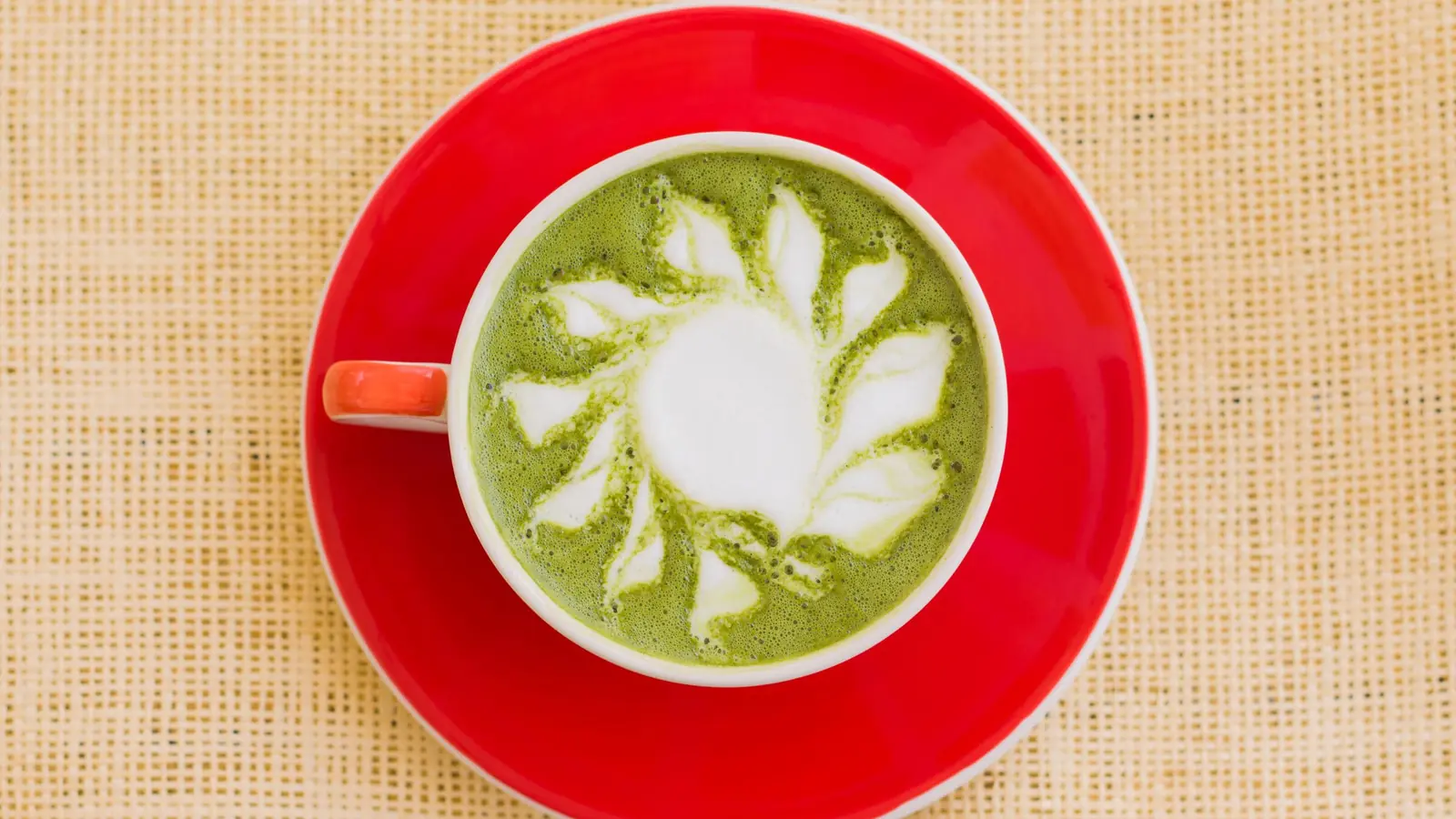
Brew a cup of green tea and you throw the leaf away. Make a bowl of matcha and you drink it. Steeping a leaf and discarding it is a fundamentally different act from grinding that whole leaf to powder and whisking it into water, and it explains why matcha and green tea, which grow on the very same plant, end up so unlike each other in the cup. The choice changes how much caffeine you take in, how many of the leaf's antioxidants you actually get, and even the way the energy feels.
This guide untangles the two for anyone deciding what to actually buy and drink - what is really inside each cup, how the benefits hold up against the evidence, and how to pick a quality product without overpaying for marketing. If you want to shop as you read, our organic tea collection keeps the matcha powders and green teas in one place.
Key takeaways
- Matcha and green tea are the same plant (Camellia sinensis); the difference is that you whisk and drink the whole powdered leaf in matcha, but steep and discard the leaf in green tea.
- Because you consume the whole leaf, a serving of matcha delivers more catechins, antioxidants, and caffeine than a cup of steeped green tea.
- A typical bowl of matcha has about 40 to 80 mg of caffeine, versus roughly 25 to 50 mg in steeped green tea and about 95 mg in coffee - and the amino acid L-theanine tends to make matcha's energy feel calmer.
- Choose ceremonial grade for whisking and sipping; choose culinary or everyday grade - cheaper and sturdier - for lattes, smoothies, and baking.
- Buy on color (vivid jade), a stated Japanese origin, first-harvest shade-grown leaves, organic certification, and airtight packaging - "ceremonial" and "culinary" are marketing terms, not regulated grades.
- The evidence is supportive rather than definitive: green tea may modestly support heart, cholesterol, and focus, but it is not a treatment - and concentrated extract pills carry a rare liver-injury risk that the brewed drink does not.
Same plant, different drink: why matcha and green tea aren't interchangeable
Both matcha and green tea come from Camellia sinensis, the same evergreen that gives us black and oolong tea. What separates green tea from black tea is processing: green tea leaves are steamed or pan-fired soon after picking to stop oxidation, which locks in their green color and their catechin antioxidants. Up to this point, a bag of sencha and a tin of matcha are close to the same thing.
Two extra steps set matcha apart. First, the plants destined for matcha are shaded for roughly 20 to 30 days before harvest. Blocking sunlight forces the leaf to produce more chlorophyll and more of the amino acid L-theanine, and it preserves a sweeter, less astringent flavor. These shade-grown leaves, called tencha, are then de-veined, dried, and stone-ground into an ultrafine powder.
Second, and this is the part most comparisons skip, you consume that powder whole. With steeped green tea, you pull a fraction of the leaf's compounds into hot water and throw out the rest. With matcha, the leaf is the drink: the powder stays suspended in the water, so you take in the entire leaf and everything in it. The chemistry research puts it plainly, noting that infusions made by steeping leaves have a lower polyphenol content than the powdered form. That single fact is why a small bowl of matcha can out-deliver a larger cup of green tea on antioxidants and caffeine alike.
What's actually in the cup: catechins, L-theanine, and caffeine
Green tea's reputation rests on a family of plant compounds called catechins, a type of polyphenol. Polyphenols can make up as much as 30% of green tea's dry weight, and within that group the standout is epigallocatechin gallate, almost always abbreviated EGCG - the most abundant and most active catechin in the leaf. Because matcha is the whole leaf in suspension, a serving concentrates these catechins rather than leaving most of them in a discarded tea bag.
The second key compound is L-theanine, the amino acid that gives high-grade matcha its savory, almost sweet umami note instead of harsh bitterness. Some matcha samples carry on the order of 45 mg of L-theanine per gram of powder. L-theanine matters for more than taste, which we will come back to in the caffeine section.
Then there is caffeine. Gram for gram, matcha powder runs roughly 19 to 44 mg of caffeine per gram, while the leaf used for steeped green tea sits lower at about 11 to 25 mg per gram - and a steeped cup only extracts part of that. In practice, a typical bowl of matcha made with one to two grams of powder lands somewhere around 40 to 80 mg of caffeine, more than a cup of steeped green tea (very roughly 25 to 50 mg) but still well under a standard cup of brewed coffee (around 95 mg). The exact number depends on grade, serving size, and how much powder you use.
| Form | How you consume it | Caffeine per serving | Catechin and antioxidant delivery | Best for |
|---|---|---|---|---|
| Matcha powder Whole leaf | Whole leaf whisked into water; nothing discarded | ~40 to 80 mg (1 to 2 g powder) | Highest, because you drink the entire leaf | A focused morning ritual, lattes, and the fullest antioxidant dose |
| Steeped green tea | Leaf or bag infused, then removed | ~25 to 50 mg per cup | Moderate; you extract only part of the leaf | An easy, low-effort daily cup and gentle caffeine |
| Green tea extract (capsule) | Concentrated catechins in a pill | Varies; often low or decaffeinated | Concentrated, standardized to EGCG | A measured catechin dose - with the safety caveats below |
The benefits - and what the evidence really says
Green tea and matcha are among the most studied beverages in the world, and the honest summary is that they are promising rather than proven. The U.S. National Center for Complementary and Integrative Health, after reviewing the research, concludes that "definite conclusions cannot yet be reached on whether green tea is helpful for most of the purposes for which it is used." That is not a dismissal so much as a frame: treat the benefits below as supportive habits, not medicine.
Heart and cholesterol
This is one of the stronger areas. Reviews of the research have found that green tea consumption is associated with a lower risk of heart disease in Asian populations, and that green tea can reduce total and LDL ("bad") cholesterol to a small extent, without changing HDL or triglycerides. The effect is modest and works best as one piece of an overall pattern. If heart health is your goal, pair the habit with the wider approach in our guide to an anti-inflammatory diet.
Metabolism and weight
The combination of catechins and caffeine has been linked to a modest effect on body weight and metabolism, though results vary widely with the product, the dose, and a person's activity level. Matcha is a sensible swap for a sugary energy drink or a sweetened coffee order, but it is not a weight-loss treatment, and no quality source frames it that way.
Calm focus and the caffeine-plus-L-theanine pairing
This is the benefit that built matcha's reputation. L-theanine appears to modify the effects of caffeine: research suggests the two together may support concentration, alertness, and efficiency more than caffeine alone, while taking the edge off the jittery feeling. No other everyday drink pairs the two quite the same way. For more on nutrients tied to focus and steady mood, see our overview of nutrients that support brain chemistry.
Antioxidants and everyday wellness
The catechins in green tea, led by EGCG, are potent antioxidants, which is the mechanism behind much of the research interest. Antioxidants are not a magic shield - they are one input among many - but matcha is a genuinely antioxidant-dense way to hydrate. Our explainer on what antioxidants actually do puts the category in perspective.
Matcha, green tea, and caffeine: why the buzz feels different
Plenty of people who get anxious or wired on coffee find matcha agreeable, and the L-theanine pairing is the likely reason. Caffeine alone hits fast and can spike and crash; the same dose buffered by L-theanine tends to feel smoother and more sustained. You are also drinking less total caffeine than a coffee, which helps.
A practical way to think about it: a one- to two-gram bowl of matcha gives you a focused lift without the espresso jolt, a steeped green tea gives you a gentle nudge, and a decaffeinated green tea gives you the flavor and antioxidants with almost no caffeine. If you are trying to leave caffeine behind entirely, our guide to natural energy without caffeine covers the alternatives. And if you are caffeine-sensitive, pregnant, or nursing, keep total daily caffeine moderate and lean on the lower-caffeine or decaf options.
Ceremonial vs. culinary grade: which matcha to buy
Matcha is usually sold as either ceremonial grade or culinary grade, and the difference is real even though the labels themselves are not regulated. Ceremonial grade comes from the youngest, most tender leaves of the first spring harvest, shaded the longest, with stems and veins removed before grinding. The result is a vivid jade-green powder with a smooth, naturally sweet flavor meant to be whisked with water and sipped on its own.
Culinary grade is made from later harvests and is a touch more robust and astringent, with a deeper, more bitter edge that actually holds up better in a latte, a smoothie, or baking, where milk and sugar would drown out a delicate ceremonial powder. It usually costs less, too. Neither is "better" in the abstract; they are tuned for different jobs:
- Choose ceremonial if you want to drink matcha straight, whisked with hot water, and taste the quality.
- Choose culinary or everyday if matcha is going into a latte, a smoothie, oatmeal, or baked goods.
One caution: because "ceremonial" and "culinary" are marketing terms rather than legal grades, the words on the tin are only as trustworthy as the brand. Buy from a source that is transparent about origin and harvest, which leads to the next section.
How to choose a quality matcha (and green tea)
A handful of cues separate a vibrant, well-made green tea product from a stale or low-grade one:
- Color. Quality matcha is a bright, almost electric jade green. A dull, yellowish, or brownish-green powder signals older leaves, more stems, or oxidation.
- Origin. Japan's traditional growing regions - Uji, Nishio, Kagoshima - set the benchmark for matcha. Look for a stated origin rather than a vague "product of Asia."
- Harvest and shade. First-harvest, shade-grown leaves make the finest matcha. Good brands say so.
- Organic and testing. Tea can carry agricultural residues, so a USDA Organic seal and any third-party testing are meaningful here.
- Packaging. Matcha fades fast in light, air, and heat. Favor opaque, resealable tins or pouches, and use it within a few weeks of opening.
- Freshness for green tea. The same rules apply to leaf and bagged green tea: a recent harvest, airtight packaging, and a green - not brown - leaf.
The same four options can serve very different routines. Here is how a few in-stock picks line up on the one question that matters most: how do you want to get green tea into your day?
Quick comparison
Four ways to drink green tea, one decision axis
All four deliver green tea's catechins; they differ in effort, caffeine, and ritual. Pick the row that matches how you actually drink it - a whisked bowl, an everyday latte, a quick cup, or a concentrated capsule.
| Product | Form | Caffeine | Best for |
|---|---|---|---|
| Jade Leaf Organic Ceremonial Grade Matcha First-harvest Japanese matcha in single-gram packets. | Ceremonial powder | Higher | Sipping straight, whisked with water; the fullest flavor and antioxidant dose. |
| Navitas Organics Matcha Green Tea Powder Everyday organic powder in a resealable pouch. | Everyday powder | Higher | Lattes, smoothies, and baking, where a sturdier powder shines. |
| Yogi Organic Pure Green Tea Classic bagged green tea for a quick steep. | Steeped tea bag | Gentle | An easy daily cup with no whisk, no fuss. |
| NOW EGCg Green Tea Extract Standardized catechin extract in capsule form. | Capsule | Low | A measured EGCG dose; see the caution on extracts below. |
How to prepare matcha so it isn't bitter
Most "I don't like matcha" verdicts trace back to two fixable mistakes: water that is too hot and powder that wasn't sifted. A simple method:
- Sift one to two grams (about half to one teaspoon) of matcha into a bowl to break up clumps.
- Cool the water. Use water around 175°F (about 80°C), not boiling - boiling water scorches the powder and turns it bitter.
- Whisk, adding just a couple of ounces of water first and whisking in a brisk W or M motion until a fine froth forms, then top up.
- For a latte, whisk the matcha into a small amount of hot water, then add steamed or frothed milk of choice.
Culinary-grade powder also stirs into oatmeal, yogurt, and smoothies, and bakes into everything from muffins to energy bites - an easy way to use the sturdier grade.
Who should be cautious
Green tea as a beverage has no major safety concerns reported for adults, but a few groups should pay attention. Because matcha and green tea contain caffeine, anyone who is caffeine-sensitive, pregnant, or breastfeeding should keep total daily caffeine moderate and consider decaf options. The tannins in tea can also reduce the absorption of non-heme (plant) iron, so if you are managing low iron, enjoy your tea between meals rather than alongside an iron-rich plate.
Concentrated green tea extract supplements are a different story from the brewed drink. They can cause nausea, constipation, stomach discomfort, and raised blood pressure, and in uncommon cases have been linked to liver injury - a risk tied mostly to high-dose extracts in pill form, not to tea you sip. If you choose an extract, treat it like any supplement: stick to label doses, look for third-party testing, and run it by your healthcare provider, especially if you take medications or have a liver condition. Our guide to choosing quality supplements covers the green flags to look for. As always with health choices, talk to a healthcare professional about what fits your situation.
Frequently Asked Questions
Is matcha healthier than green tea?
Matcha and steeped green tea come from the same leaf, but because you drink the whole powdered leaf with matcha, a serving tends to deliver more catechins, antioxidants, and caffeine than a cup of steeped green tea. "Healthier" depends on your goal: matcha is more concentrated, while green tea is gentler and lower in caffeine. Both are good choices.
How much caffeine is in matcha compared with coffee?
A typical bowl of matcha made with one to two grams of powder has roughly 40 to 80 mg of caffeine, compared with about 95 mg in a standard cup of brewed coffee. Many people find matcha's caffeine feels smoother because the amino acid L-theanine appears to buffer the stimulant effect.
Is matcha good for energy and focus?
Many people use it that way. Research suggests the caffeine and L-theanine in matcha together may support concentration and alertness more than caffeine alone, with less of a jittery feeling. It is a supportive habit, not a medical treatment, and individual responses vary.
Can I drink matcha every day?
For most healthy adults, a daily cup or two of matcha or green tea fits comfortably within sensible caffeine limits. Watch your total caffeine from all sources, drink tea between meals if you are managing low iron, and keep intake moderate during pregnancy or breastfeeding.
Does matcha help with weight loss?
The catechins and caffeine in green tea have been associated with a modest effect on metabolism and body weight, but the evidence is mixed and the effect is small. Matcha is a smart swap for sugary drinks, not a weight-loss treatment.
What is the best matcha for beginners?
Start with a clearly labeled ceremonial-grade Japanese matcha if you plan to whisk and sip it, or an everyday culinary powder if you mainly want lattes and smoothies. Look for a vivid green color, a stated Japanese origin, organic certification, and airtight packaging.
The bottom line
Matcha and green tea are the same plant offered two ways: one you sip and discard, one you drink whole. Matcha concentrates the leaf's catechins, L-theanine, and caffeine into a focused, antioxidant-rich cup; green tea is the easy, gentler daily habit. Neither is a cure for anything, and the best evidence is supportive rather than definitive - but as a swap for sugary drinks and a steadier source of caffeine, both hold up well. Match the grade to how you will drink it, buy on color and origin rather than hype, and start where it is easiest. Browse our organic tea collection to find the matcha or green tea that fits your routine.
Sources
- NIH National Center for Complementary and Integrative Health - Green Tea (evidence and safety)
- Jakubczyk et al., Health Benefits and Chemical Composition of Matcha Green Tea: A Review (catechins, L-theanine, caffeine, shade-growing)
- NIH Office of Dietary Supplements - fact sheets and nutrient reference intakes
- USDA FoodData Central - caffeine and composition values for tea