How Much Sodium Is Too Much? A Simple Guide to Reading Food Labels
Most sodium comes from packaged and prepared foods—not the salt shaker. Learn the 2,300 mg daily limit, how to use % Daily Value, and simple ways to choose lower-sodium foods.
Evidence-based nutrition guides, clean-eating tips, and organic food deep-dives — from supplements and superfoods to what to actually put on your plate.
Total sugar and added sugar are not the same thing. Learn how to read Added Sugars on the Nutrition Facts label, what 5% and 20% Daily Value mean, and how to compare foods more clearly.
Read articleMost sodium comes from packaged and prepared foods—not the salt shaker. Learn the 2,300 mg daily limit, how to use % Daily Value, and simple ways to choose lower-sodium foods.
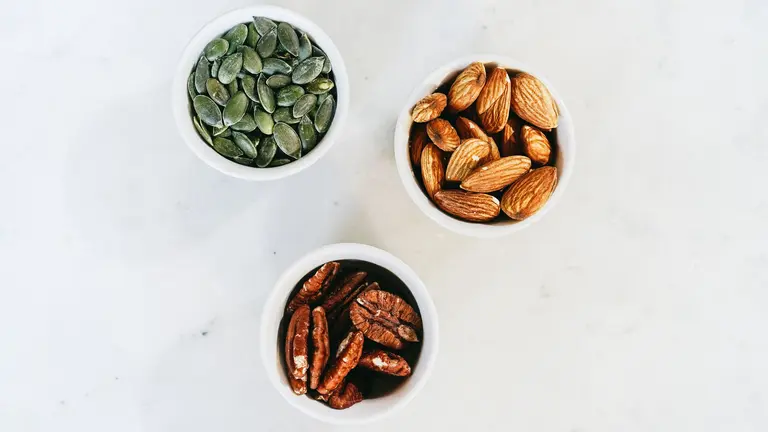
Almonds provide protein, fiber, vitamin E, and mostly unsaturated fats—but portion size still matters. Learn what the research says, how many almonds to eat, and whether raw or roasted is better.
Pistachios provide protein, fiber, and mostly unsaturated fats in a small serving. Learn what the research says, how much to eat, and why in-shell pistachios may encourage more mindful snacking.
Two expert panels read the same trials and reached opposite conclusions. Here is what glucosamine, chondroitin, and MSM each do, what the largest studies found, and how to run a fair 12-week test on yourself.
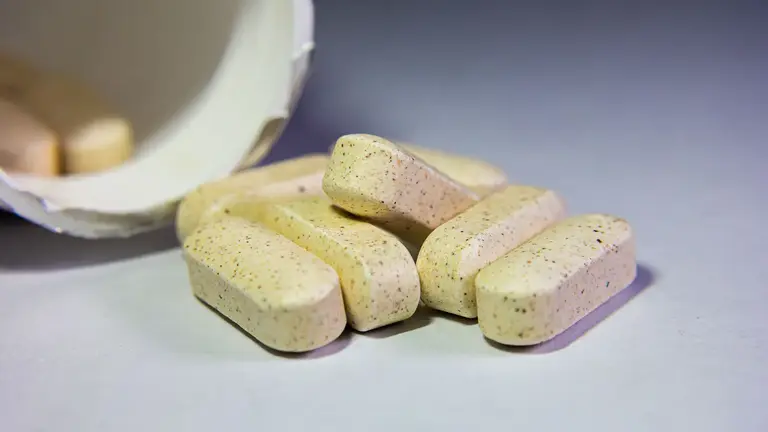
The form debate barely matters; the dose ceiling does. Here is what zinc actually does in the body, which form to pick, how much to take, and why more can quietly backfire.
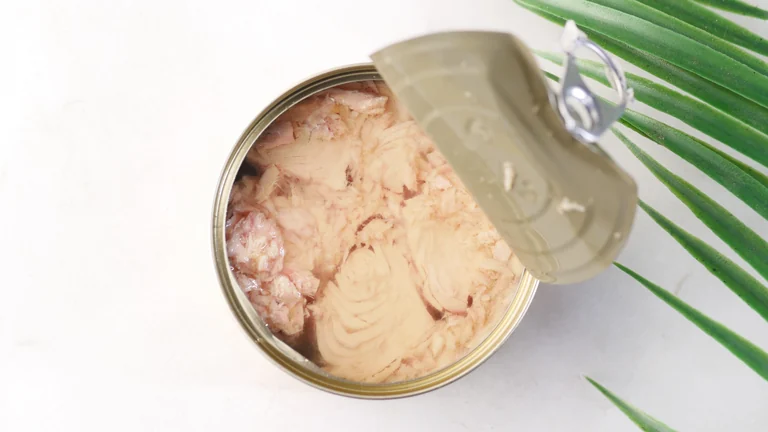
Tuna is cheap, shelf-stable protein with one real catch: mercury. Here is how it varies by species, how much is safe for you, and how to pick a better can.
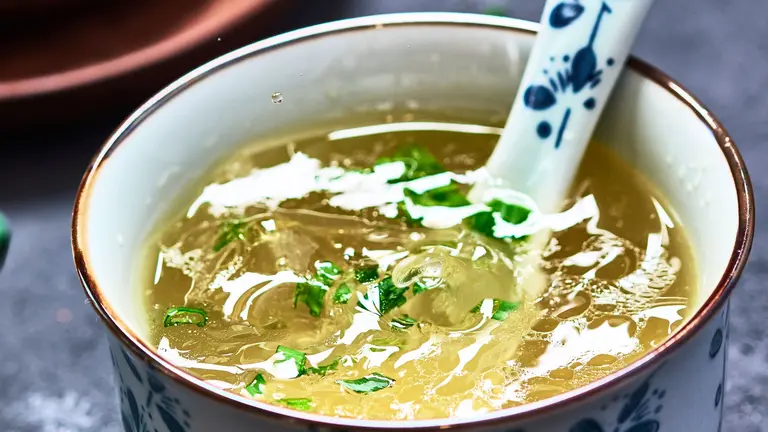
The gel in the fridge is real collagen, but the health claims outrun the evidence. Here is what a cup of bone broth actually delivers, and how to buy a good one.
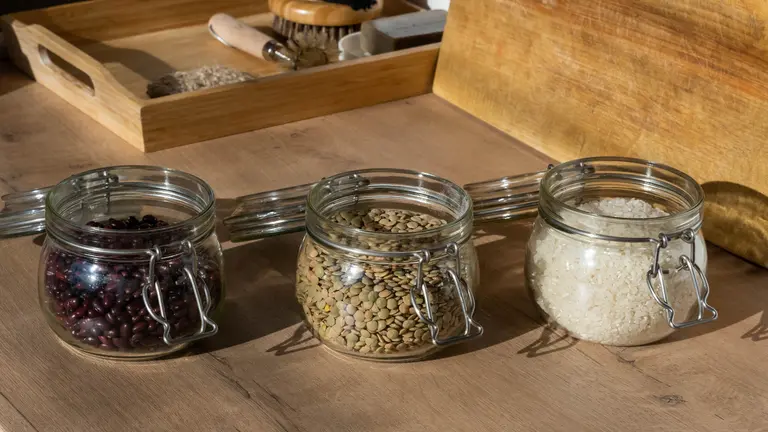
The Dietary Guidelines just moved beans and lentils into the protein group. What a cooked cup really delivers, how canned stacks up against dried, and the kitchen myths worth dropping.
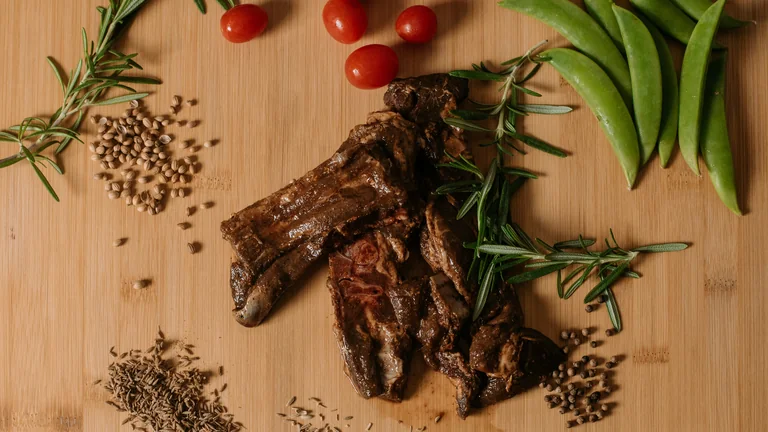
Federal labeling rules, not marketing teams, put "uncured" on a package of meat snacks. Here is how to read the rest of the label: protein per 100 calories, sodium per gram of protein, and the two ingredients that give a curing system away.
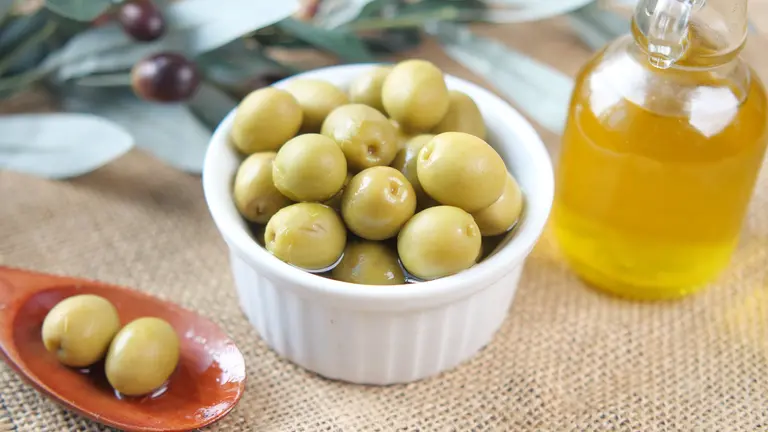
Extra virgin is a fault-free grade decided by trained tasting panels, and almost nothing on a US shelf was tested that way. A label-first guide to harvest dates, polyphenols, and the four-step home taste test.
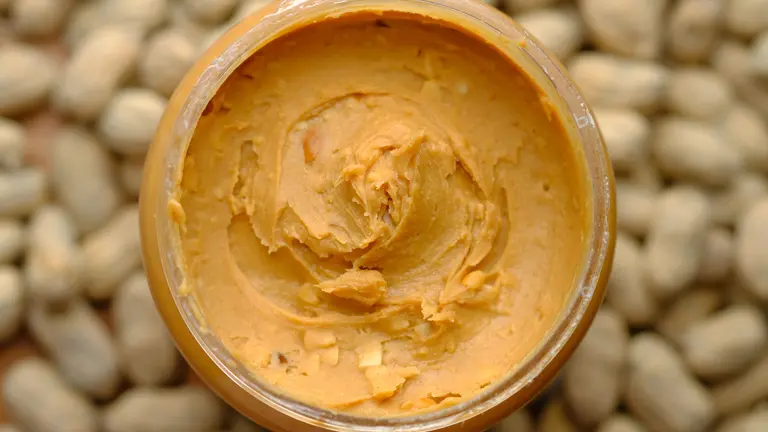
Oil on top is a good sign. A label-first guide to choosing peanut butter: the two-ingredient rule, what the word spread admits, and honest tiers from purist to classic.