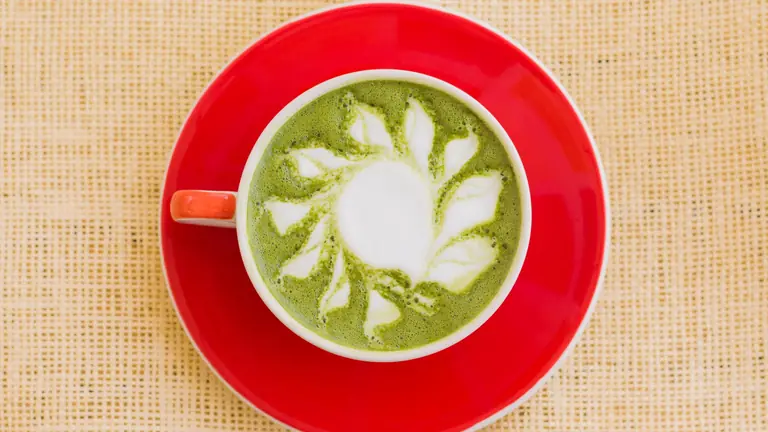
Matcha vs. Green Tea: Benefits, Caffeine, and How to Choose
Same plant, two very different cups. Here is how matcha and green tea compare on caffeine, antioxidants, and calm focus - plus how to pick a good one.
Practical wellness guides on supplements, gut health, immunity, and daily habits — grounded in real nutrition science, not hype.
Same plant, two very different cups. Here is how matcha and green tea compare on caffeine, antioxidants, and calm focus - plus how to pick a good one.

Balancing blood sugar naturally is not about zero carbs or a perfectly flat line - it is about shrinking the spikes across an ordinary week. Here is what your fasting glucose and A1C actually mean, the food and habit levers with the strongest evidence, and an honest take on which supplements help.
Perimenopause can last up to eight years, and the hormones driving it swing rather than simply decline. Here is an evidence-based nutrition plan for steadier energy, better sleep, and protected bone and heart - plus which supplements actually help and which are oversold.
The gut-brain connection is real - and more nuanced than the supplement aisle admits. Here is how the axis actually works, what the evidence supports for mood and stress, and the diet levers that feed it.
Morning energy is not willpower - it is biology you can cooperate with. Five evidence-backed morning habits (light, water, protein, movement, and caffeine timing), why each one works, and the single thing no routine can replace: enough sleep the night before.
Collagen is well studied for skin, mixed for joints, and emerging for bone. Here is what the research really shows - the difference between peptides, gelatin, and undenatured type II, how much to take and for how long, the vitamin C cofactor, marine vs. bovine vs. 'vegan collagen,' and how to choose one.
You cannot supercharge a balanced immune system, and the loudest supplements know it. A clear-eyed guide to what actually supports immunity: the nutrients with real evidence, the overhyped boosters, and the sleep, food, and gut habits that do the heavy lifting.
Iron deficiency builds for months before a standard anemia test turns positive - and you can feel exhausted, foggy, and cold in that gap. Here is what iron deficiency vs. iron-deficiency anemia means, what your ferritin and hemoglobin numbers actually say (including the "normal ferritin but still tired" problem), the symptoms beyond fatigue, who is at risk, the every-other-day dosing evidence, and - most important - how to decide whether you should supplement iron at all.
Turmeric is a spice; curcumin is the concentrated compound research focuses on - and most of it is poorly absorbed. Here is what the evidence actually supports, how the absorption-enhanced formulas (piperine, phytosome, liposomal, nanoparticle) differ, how much to take and for how long, how to read a curcumin label, and who should be careful.
"Take more calcium" is incomplete advice. Here is the full bone-nutrient picture - calcium, vitamin D, K2, magnesium, and protein - plus the exercise and life-stage plan that actually protects bone density, and an honest look at when a supplement is worth taking.
CoQ10 is marketed for energy, heart health, and statin support - but the evidence is strong for only a few of those. Here is what coenzyme Q10 really does, how to choose between ubiquinol and ubiquinone, what the research shows use by use, how to dose and take it for real absorption, and who should check with a clinician first.
Eye-vitamin labels promise "vision support" for everyone, but the evidence is narrower and more interesting. A clear, food-first look at lutein and zeaxanthin, omega-3 and the retina, the AREDS2 formula and who it is really for, and why blue-light pills miss the point.