During the Dutch Hunger Winter of 1944, when Nazi blockades cut off food to the western Netherlands and bread all but disappeared, a pediatrician named Willem Dicke noticed something strange in his celiac patients: the sickest children on his ward started getting better. When Allied airdrops and liberation brought wheat flour back, they relapsed. Dicke had spent years suspecting wheat, and the famine gave him the grim natural experiment that proved it. Within a decade, researchers had pinned the culprit down to gluten, the protein that makes bread stretch and rise.
Eighty years later, "gluten-free" is a mainstream grocery category, and most of the people buying it have never had a celiac test. Some genuinely need to avoid gluten; many are hoping it makes them healthier and are not sure it does. This guide sorts out who actually benefits, how to read a label without getting fooled, and how to eat gluten-free in a way that is genuinely good for you rather than a swap of one processed food for another.
What to know up front
- Gluten is one protein group, found in three grains. Wheat, barley, and rye contain it, plus anything made from them. It hides in soy sauce, malt, beer, many sauces, and some oats through cross-contact.
- Gluten-free is a medical necessity for some, not a health upgrade for everyone. Celiac disease affects roughly 1% of people; wheat allergy and non-celiac gluten sensitivity add more. For everyone else, removing gluten has no proven health or weight-loss benefit on its own.
- The label word is regulated. In the U.S., "gluten-free," "no gluten," "free of gluten," and "without gluten" all legally mean under 20 parts per million. "Wheat-free" does not mean gluten-free, and a product with no claim at all needs an ingredient-list check.
- Certified gluten-free is the stricter tier. A GFCO certification mark holds products to 10 ppm or lower, which matters most for sensitive celiacs and for oats.
- Naturally gluten-free beats gluten-free-labeled. Rice, quinoa, beans, nuts, eggs, fish, fruit, and vegetables are gluten-free by nature and more nutritious than most packaged replacements, which often run lower in fiber and higher in sugar and fat.
What gluten is, and everywhere it hides
Gluten is a family of storage proteins, mainly gliadin and glutenin, found in wheat and its relatives. It gives dough its elastic, stretchy structure, which is why a gluten-free loaf behaves so differently from a wheat one. Three grains carry it: wheat, barley, and rye. Wheat has the most disguises. Durum, semolina, spelt, farro, einkorn, kamut, and "wheat berries" are all wheat. Triticale is a wheat-rye hybrid.
The obvious sources are bread, pasta, crackers, cereal, and baked goods. The ones that catch people out are the processed foods where gluten is a hidden ingredient rather than the main event. Most soy sauce is brewed with wheat. Malt, malt vinegar, malt syrup, and malt flavoring come from barley. Beer is usually made from barley or wheat. Gluten also turns up as a thickener or binder in gravies, salad dressings, cream soups, imitation meats, licorice, and some seasoning blends. Reading the ingredient list is the only way to catch these, because a food does not have to look bready to contain wheat.
One clarification that saves a lot of confusion: "gluten" is not the same as "carbs," "grains," or "wheat" as a whole. Corn, rice, and oats are grains with no gluten of their own. A food can be wheat-free and still contain barley malt. And plenty of naturally gluten-free foods, from potatoes to lentils, are also carbohydrate-rich. Gluten avoidance is about three specific grains, not a whole macronutrient.
Who actually needs to avoid gluten
There are a few genuine medical reasons to go gluten-free, and they are not interchangeable with wanting to eat cleaner.
Celiac disease is an autoimmune condition, not an allergy or an intolerance. In people with celiac, gluten triggers the immune system to attack the lining of the small intestine, which over time damages the villi that absorb nutrients. It affects around 1% of the population, though many cases go undiagnosed for years. The only treatment is a strict, lifelong gluten-free diet, and for someone with celiac even trace cross-contact can cause harm. If you suspect celiac disease, get tested before you cut out gluten, because the standard blood and biopsy tests only work while you are still eating it.
Wheat allergy is a true allergy to wheat proteins, more common in children, and it can cause hives, swelling, or in severe cases anaphylaxis. The reaction targets wheat proteins specifically rather than gluten as a whole, so the avoidance list looks a little different.
Non-celiac gluten sensitivity is the fuzziest category. People report bloating, fatigue, headaches, or brain fog after eating gluten, with no celiac damage and no wheat allergy on testing. Estimates of how common it is range widely, from well under 1% to as high as several percent of the population, partly because it is defined by symptoms rather than a clear biological marker. For some people the trigger may be fermentable carbohydrates in wheat rather than gluten itself. It is real for those who have it, and a supervised trial of removing and reintroducing gluten is the usual way to sort it out.
Then there is everyone else. If you do not have one of the conditions above, the honest answer is that a gluten-free diet has no proven benefit for general health or weight. People often lose weight or feel better when they go gluten-free, but usually because they cut back on refined, ultra-processed carbohydrates in the process, not because gluten was the problem. Swap gluten-containing junk food for gluten-free junk food and the benefit disappears. To feel the good part of that change, the lever is eating fewer ultra-processed foods and more whole ones, gluten or not.
Which foods are gluten-free, and which are not
The single most useful mental model is to sort food into three buckets: naturally gluten-free, always contains gluten, and check-the-label. Whole, single-ingredient foods are almost all in the first bucket. Grain-based staples are in the second. Packaged and processed foods are the tricky middle, where the same food can go either way depending on the brand and the recipe.
| Naturally gluten-free | Always contains gluten | Check the label |
|---|---|---|
| Fruits and vegetables | Wheat bread, rolls, wraps | Oats (cross-contact risk) |
| Rice, quinoa, buckwheat, millet, corn | Regular pasta, couscous, semolina | Soy sauce (usually has wheat) |
| Beans, lentils, chickpeas | Barley, rye, farro, spelt, kamut | Sauces, gravies, salad dressings |
| Nuts, seeds, nut and seed butters | Most crackers, pretzels, cereal | Deli meats, sausages, imitation meats |
| Plain meat, poultry, fish, eggs | Cakes, cookies, pastries, pie crust | Broths, bouillon, soup bases |
| Plain dairy: milk, plain yogurt, cheese | Beer, malt, malt vinegar, most seitan | Candy, licorice, seasoning blends |
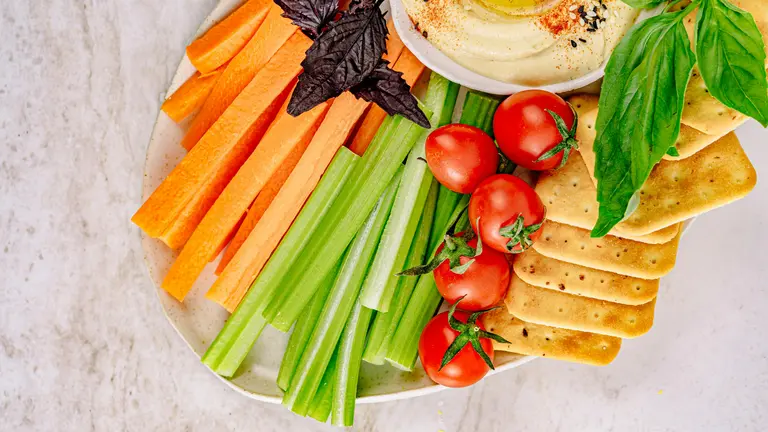
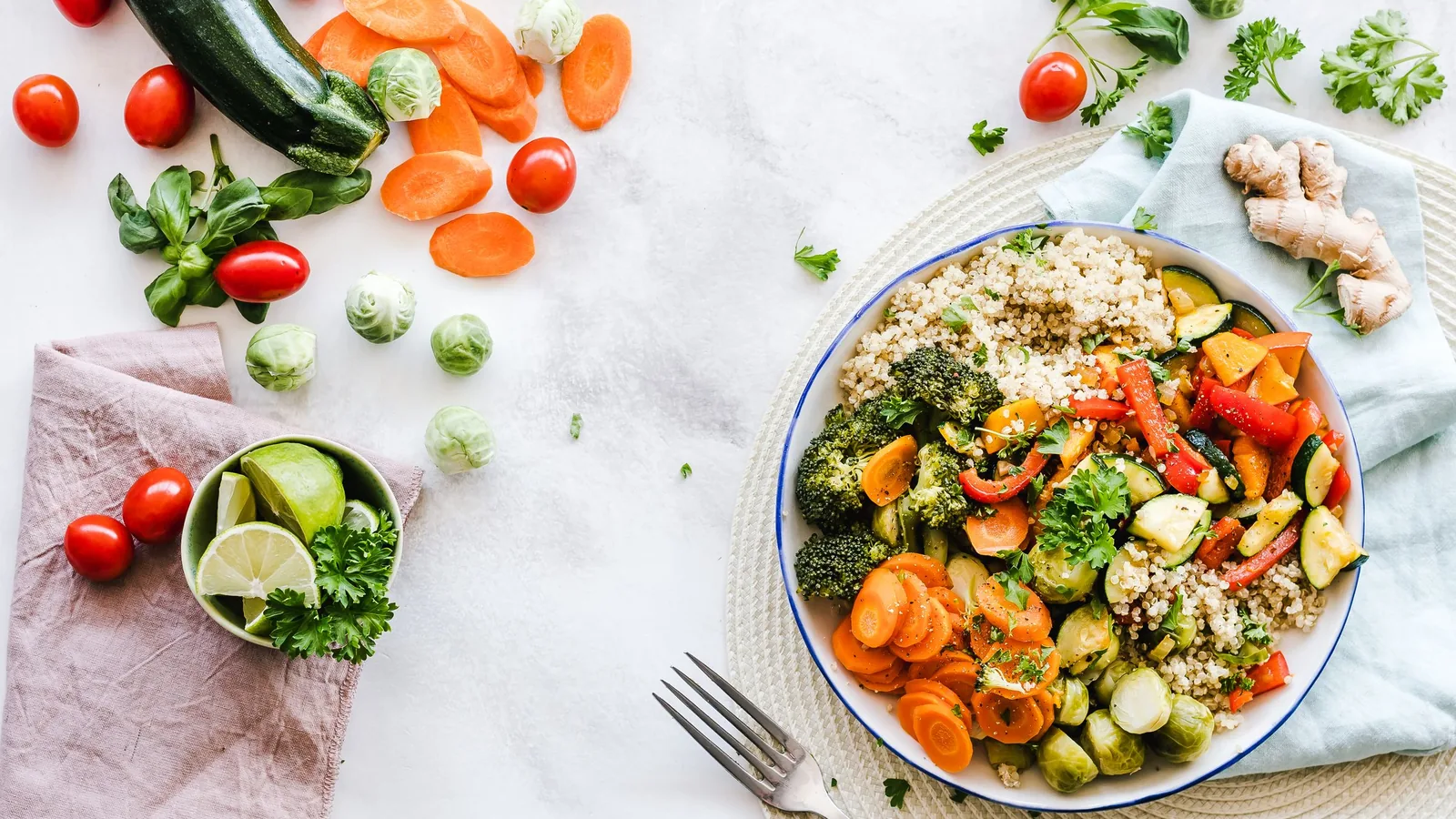
Notice that the left column is more than a list of what is "allowed," it is the healthiest way to eat gluten-free. A plate built from produce, beans, quinoa, nuts, fish, and eggs is naturally gluten-free without a single specialty product, and it delivers the fiber and nutrients that packaged gluten-free foods tend to skip. The specialty aisle is for the foods you genuinely miss, not the foundation of the diet.
Reading the label: what the words legally mean
The good news is that in the United States, "gluten-free" on a package is not marketing fluff. Under the FDA's 2013 rule (21 CFR 101.91), any food labeled "gluten-free," "no gluten," "free of gluten," or "without gluten" must contain less than 20 parts per million of gluten. That threshold is set low enough to be safe for most people with celiac disease. The rule also covers foods that are gluten-free by nature: a bag of plain almonds can carry the claim even though almonds never had gluten to begin with.
A few things the rule does not do, which is where mistakes happen:
- "Wheat-free" is not "gluten-free." A wheat-free product can still contain barley malt or rye. This is the most common label trap.
- No claim does not mean it contains gluten. Many naturally gluten-free foods never bother with the label. Read the ingredient list: if there is no wheat, barley, rye, malt, or oats and no vague "natural flavors" over a gluten source, it is very likely fine.
- The FDA does not test every product. Manufacturers are responsible for compliance, using supplier certificates, in-house testing, or third-party certification. The claim is a legal promise, but it is largely self-policed.
That last point is why a separate certification mark carries extra weight. The Gluten-Free Certification Organization (GFCO) holds certified products to 10 ppm or lower, twice as strict as the FDA floor, with ongoing testing and annual facility inspections. For most people the 20 ppm FDA standard is plenty. For someone with celiac disease who reacts to trace amounts, or for a higher-risk food like oats, the certified mark is worth looking for. Here is how the common label phrases actually shake out.
| What the package says | What it actually means | What to do |
|---|---|---|
| "Gluten-free" / "no gluten" / "without gluten" | Legally under 20 ppm gluten (FDA rule) | Safe for most; fine for the majority of people avoiding gluten |
| Certified gluten-free (GFCO mark) | Tested to 10 ppm or lower, audited facility | The stricter tier; best for celiac and for oats |
| "Wheat-free" | No wheat, but may still contain barley or rye | Not a gluten-free guarantee; read the full ingredient list |
| "Made in a facility that also processes wheat" | A voluntary cross-contact warning, not a gluten test | Usually fine for sensitivity; celiacs may want a certified option |
| No gluten claim at all | Untested for gluten, could be anything | Check the ingredient list for wheat, barley, rye, malt, oats |
The oats question
Oats deserve their own section because they are the most misunderstood food on the gluten-free diet. Pure oats do not contain gluten. The problem is that oats are routinely grown, harvested, stored, and milled alongside wheat and barley, so ordinary oats are frequently contaminated with enough gluten to be unsafe for someone with celiac disease.
The fix is oats grown and processed under a gluten-free purity protocol and tested to confirm they stay under the limit, sold as "gluten-free oats" or, better, certified gluten-free. Regular rolled oats from a bin, even organic ones, are not automatically safe. Research suggests most people with celiac disease tolerate moderate amounts of certified gluten-free oats, on the order of up to 50 grams of dry oats a day, though a small minority react to a protein in oats themselves. If you have celiac disease, introduce gluten-free oats deliberately and watch how you respond rather than assuming any oat is fine.
Gluten-free grains, flours, and starches
One of the bigger surprises for people new to the diet is how many grains and grain-like seeds are naturally gluten-free. You are not stuck with rice. Quinoa, buckwheat (which, despite the name, is unrelated to wheat), millet, sorghum, teff, amaranth, corn, and wild rice all qualify, and most bring more fiber or protein than refined white rice. Rotating through them keeps meals interesting and widens the range of nutrients the diet delivers.
Flours work the same way. Gluten-free baking usually blends a few, because no single one behaves like wheat: rice and tapioca for structure, almond or chickpea flour for protein and body, cassava or potato starch for lightness. An almond or chickpea flour brings real nutrition, while a mix built only on white rice starch behaves much like refined wheat flour on the plate. For baking, keep the enrichment gap in mind, since most gluten-free flours are not fortified. That makes it worth leaning on the naturally nutrient-dense options rather than the starch-heavy ones.
The gluten-free trap: when "GF" is not the same as healthy
Here is the part the marketing skips. A cookie is still a cookie when it is gluten-free. Because gluten provides structure, manufacturers replace it with refined starches like white rice flour, tapioca, and potato starch, plus extra fat and sugar to make up for texture and flavor. The result is often a product with less fiber and protein and more sugar and fat than the wheat version it replaced.
There is also a quieter nutrient issue. In the U.S., standard wheat flour is enriched, meaning iron and B vitamins including folate, thiamin, niacin, and riboflavin are added back after milling. Many gluten-free flours and products are not enriched, so a diet built heavily on gluten-free packaged foods can come up short on iron, folate, and fiber over time. This matters most for anyone who leans on breads, pastas, and snacks rather than whole foods. That gap is one reason a gluten-free diet is best anchored in naturally gluten-free plants and proteins, with fiber a specific thing to watch. If your intake has dropped, our guide to the fiber most people miss is a useful companion.
And then there is cost. Gluten-free specialty products routinely run more expensive than their conventional counterparts. The cheapest way to eat gluten-free is also the healthiest: build meals from rice, beans, potatoes, eggs, produce, and other whole foods that were never priced as a specialty item, and save the packaged swaps for the things you actually crave.
Building a genuinely healthy gluten-free plate
A good gluten-free diet is not defined by what is missing. It is a plate of naturally gluten-free whole foods, with a few smart packaged swaps for the wheat foods you do not want to give up. Start with the foundation, then upgrade the swaps.
Anchor on naturally gluten-free staples. A whole grain like tri-color quinoa cooks like rice, brings complete protein and fiber, and never needed a gluten-free label to be safe. Beans, lentils, and chickpeas do the same job for pennies. These belong at the center of the plate, not the edge.
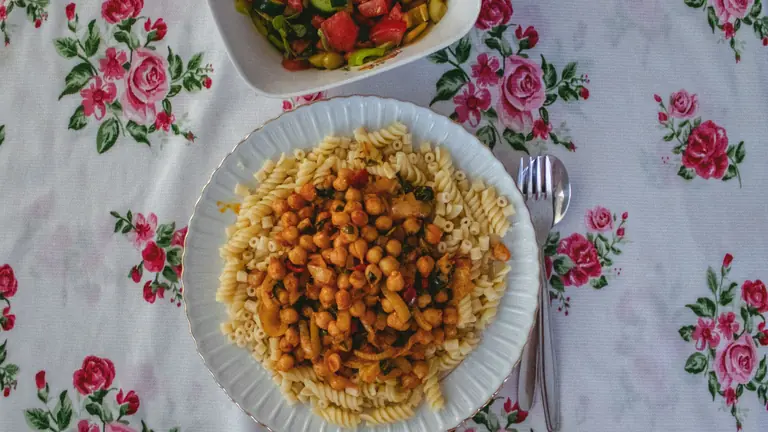
Swap pasta for a legume-based version, not a plain rice one. This is the single best upgrade in the category. Where a plain rice pasta trades wheat for refined starch, a chickpea pasta keeps the comfort of pasta while adding protein and fiber that the wheat original never had. This is the rare gluten-free swap that comes out nutritionally ahead of what it replaces rather than merely tolerable. Our high-protein pasta guide compares chickpea, lentil, and other bases in detail.
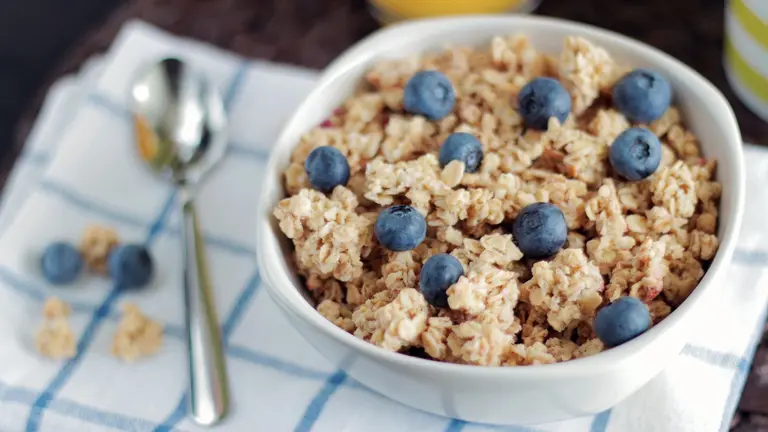
Choose crackers and cereal built on seeds and whole foods. Instead of a refined rice-flour cracker, a seed-based option like Simple Mills seed flour crackers or a classic like Mary's Gone whole-seed crackers gives you fiber and crunch from real ingredients. For breakfast, a grain-free cereal such as Three Wishes unsweetened delivers protein and almost no sugar, unlike the sweetened gluten-free boxes that read as health food. Our healthiest cereal guide and cracker breakdown go deeper on how to vet these.
Keep gluten-free whole-food add-ons on hand. Naturally gluten-free extras make meals easier: chia seeds to thicken and add fiber, or a spread like tahini for dressings and dips. None of these require a specialty version; they are gluten-free as they come. You can browse the full gluten-free selection to fill in the gaps.
Cross-contact at home and when eating out
For someone with celiac disease, buying gluten-free food is only half the job; keeping it gluten-free through preparation is the other half. Cross-contact is when a gluten-free food picks up gluten from a shared surface, tool, or oil. The usual culprits at home are the toaster, a shared colander with trapped pasta residue, a wooden cutting board, a jar of peanut butter with crumbs in it, and flour dust in the air during baking. A dedicated toaster or toaster bags, separate labeled condiment jars, and washing surfaces and hands before prep handle most of it.
Eating out is harder. A salad can be gluten-free until it meets croutons or a wheat-thickened dressing; fries are often cooked in the same oil as breaded food; a grill or pan that just handled a bun can transfer gluten. It is fair, and increasingly normal, to ask a restaurant how they handle gluten-free orders and whether they use a separate prep area. People with sensitivity rather than celiac disease usually have more room here, but if a small amount makes you sick, treating it like a real allergy is the safe call. When in doubt about your own tolerance, talk it through with your doctor or a registered dietitian.
Frequently asked questions
Is a gluten-free diet healthier for everyone?
No. Gluten-free is the necessary treatment for celiac disease, wheat allergy, and gluten sensitivity, but for people without those conditions there is no evidence that removing gluten improves general health. What helps is eating more whole foods and fewer ultra-processed ones, which you can do with or without gluten.
Will going gluten-free help me lose weight?
Not by itself. A gluten-free diet is a medical diet, not a weight-loss diet. People sometimes lose weight when they cut gluten because they also drop a lot of refined, calorie-dense processed foods. Replace those with gluten-free versions of the same snacks and the effect disappears, since gluten-free products are often equal or higher in calories and sugar.
Is sourdough bread gluten-free?
Regular wheat sourdough is not gluten-free. Long fermentation lowers the gluten content, and some people with mild sensitivity tolerate it better, but it does not reliably drop below the 20 ppm threshold, so it is unsafe for celiac disease. A sourdough made from gluten-free flours and labeled gluten-free is the only version that qualifies.
Are oats gluten-free?
Pure oats have no gluten, but ordinary oats are usually cross-contaminated with wheat and barley during growing and milling. Look for oats labeled gluten-free or certified gluten-free, which are handled under a purity protocol and tested. A small number of people with celiac disease also react to oats themselves, so introduce them carefully.
What grains are gluten-free?
More than most people expect. Rice, corn, quinoa, buckwheat, millet, sorghum, teff, amaranth, and wild rice are all naturally gluten-free, along with certified gluten-free oats. The grains to avoid are wheat in every form (including durum, semolina, spelt, farro, and kamut), barley, and rye.
Does "wheat-free" mean the same thing as gluten-free?
No, and mixing them up trips up more shoppers than any other label detail. Wheat-free means no wheat, but the product can still contain barley or rye, both of which have gluten. Only a "gluten-free" claim covers all three grains. Always read the full ingredient list on a wheat-free product.
Do I need certified gluten-free products, or is the regular label enough?
For most people avoiding gluten, the FDA "gluten-free" label (under 20 ppm) is sufficient. Certified gluten-free products are tested to a stricter 10 ppm standard with audited facilities, which is worth seeking out if you have celiac disease and react to trace amounts, or for higher-risk foods like oats.
How do I eat gluten-free without spending a fortune?
Lean on naturally gluten-free whole foods that were never sold as specialty items: rice, potatoes, beans, lentils, eggs, quinoa, produce, plain meat and fish, nuts, and seeds. These cost less than boxed gluten-free breads and snacks and are more nutritious. Reserve the pricier packaged swaps for the specific wheat foods you genuinely miss.
The bottom line
Gluten-free eating is simple once you separate the medical reality from the marketing. If you have celiac disease, a wheat allergy, or diagnosed gluten sensitivity, the diet is a genuine, sometimes strict, necessity, and label literacy plus cross-contact care are the skills that keep you well. Those exploring it for general health should know that the benefit comes from eating better food, not from the absence of gluten. Either way, the best gluten-free plate looks the same: mostly whole, naturally gluten-free foods, with a few well-chosen swaps for the wheat items you do not want to live without. Get tested before you cut anything if celiac is a possibility, read past the front of the package, and let real food do most of the work.