Swap a bowl of regular spaghetti for chickpea pasta and the protein roughly doubles while the fiber jumps three- to four-fold. Make the same swap for brown-rice or corn pasta and almost nothing changes - you get a gluten-free noodle with about the same protein, fiber, and carbs as the wheat version you started with. That gap is the whole story of this category, and it is exactly what the front of the box is least likely to tell you.
"High-protein pasta" and "gluten-free pasta" get talked about as if they are one shelf. They are not. Some pastas are both, some are one and not the other, and a few of the most heavily marketed boxes are neither in any way that matters. This guide sorts the bases by what they actually deliver, shows you how to read the label past the marketing, and helps you pick the right box for your goal - more protein, fewer net carbs, a true gluten-free swap, or simply a noodle the rest of the family will still eat. If you want to compare real options as you read, our pasta collection spans every base discussed below.
Key takeaways
- High-protein pasta is built on a legume. Chickpea or lentil pasta delivers roughly 11 to 14 grams of protein and 5 to 8 grams of fiber per 2-ounce dry serving - about double the protein of wheat.
- High-protein and gluten-free are not the same thing. A pasta can be one without the other, so decide which goal you are actually shopping for.
- Legume pastas are usually both. Chickpea and lentil bases are the overlap that is high-protein and gluten-free at once.
- Rice and corn pastas are gluten-free but not high-protein. They skip wheat, barley, and rye but stay nutritionally close to regular pasta.
- Read the label, not the front of the box. Check protein and fiber per serving and watch for blends that dilute the legume base with refined starch.
- Expect a different texture, and cook it right. Legume pastas behave differently from wheat, but the protein and fiber payoff is real when you do not overcook them.
- Our top gluten-free protein pasta picks: Chickapea Organic Penne and Banza Chickpea Penne. Chickapea's chickpea-lentil blend tops the protein column at 13 grams per serving, Banza keeps the most classic pasta taste, and Bionaturae Rice and Lentil Penne is the softer landing when legume texture is a hard sell.
The short answer: which pastas are high-protein, gluten-free, or both
A genuinely high-protein pasta is built on a legume - chickpeas, lentils, or both - and delivers roughly 11 to 14 grams of protein and 5 to 8 grams of fiber per 2-ounce dry serving, about double the protein and several times the fiber of standard wheat pasta. A genuinely gluten-free pasta simply contains no wheat, barley, or rye; it can be made from rice, corn, chickpeas, lentils, quinoa, or a blend. The overlap - high-protein and gluten-free - is almost always the legume pastas. Rice and corn pastas are gluten-free but nutritionally close to regular pasta.
So the two questions are different. If your goal is more protein and fewer net carbs, the base matters far more than the words "gluten-free." If your goal is strictly avoiding gluten, any of the bases below can work, and you can choose among them on protein, texture, and taste. The rest of this guide is really that one idea expanded: match the base to the job, then check the label against it.
High-protein and gluten-free are not the same thing
This is the single most useful thing to understand before you shop, because the marketing leans hard on the overlap that is not always there. "Gluten-free" is a sourcing-and-safety claim - it tells you the pasta is safe for celiac disease or gluten sensitivity, not that it is higher in protein, higher in fiber, or lower in carbohydrate. A brown-rice penne and a chickpea penne can sit side by side, both stamped gluten-free, and deliver completely different nutrition.
Here is how the common pasta bases compare on the numbers that actually separate them. Values are per 2-ounce (about 56-gram) dry serving and vary somewhat by brand and shape, but the pattern holds.
| Pasta base | Protein | Fiber | Net carbs (approx.) | Gluten-free? | Best for |
|---|---|---|---|---|---|
| Chickpea + lentil Most protein | ~13 g | ~6 g | ~28 g | Yes | Maximum protein and fiber in one box |
| Chickpea | ~11 g | ~5 g | ~25-30 g | Yes | High protein with the most pasta-like taste |
| Red/yellow lentil | ~11-13 g | ~5-6 g | ~27 g | Yes | High protein, slightly earthier flavor |
| Whole wheat | ~7-8 g | ~5-6 g | ~32-36 g | No | More fiber while staying classic wheat pasta |
| Rice + lentil | ~8 g | ~2 g | ~40 g | Yes | Gluten-free with a softer, traditional texture |
| Brown rice / quinoa | ~4-5 g | ~2-3 g | ~42 g | Yes | Closest texture to wheat pasta; mild taste |
| Regular (durum semolina) | ~7-8 g | ~2-3 g | ~40 g | No | The baseline everything else is measured against |
Protein, fiber, and carbohydrate figures are drawn from manufacturer Nutrition Facts panels and USDA FoodData Central reference entries. "Net carbs" is total carbohydrate minus fiber, an unofficial figure; the FDA does not regulate the term, so treat it as a rough guide.
Read down the protein column and the divide is obvious. The legume pastas - chickpea, lentil, and chickpea-lentil blends - cluster around 11 to 13 grams of protein and 5 to 6 grams of fiber. Everything else, gluten-free or not, sits near regular pasta at 4 to 8 grams of protein and 2 to 3 grams of fiber. Brown-rice pasta is the clearest example of the trap: it is a perfectly good gluten-free noodle, but it is not a high-protein food, and no amount of "wholesome" packaging changes that.
Chickpea vs lentil vs rice vs wheat: how the bases really differ
Once you stop treating "pasta" as one product, the choices get easier. Each base has a flavor, a texture, and a nutritional tendency that suits it to a different job.
Chickpea pasta
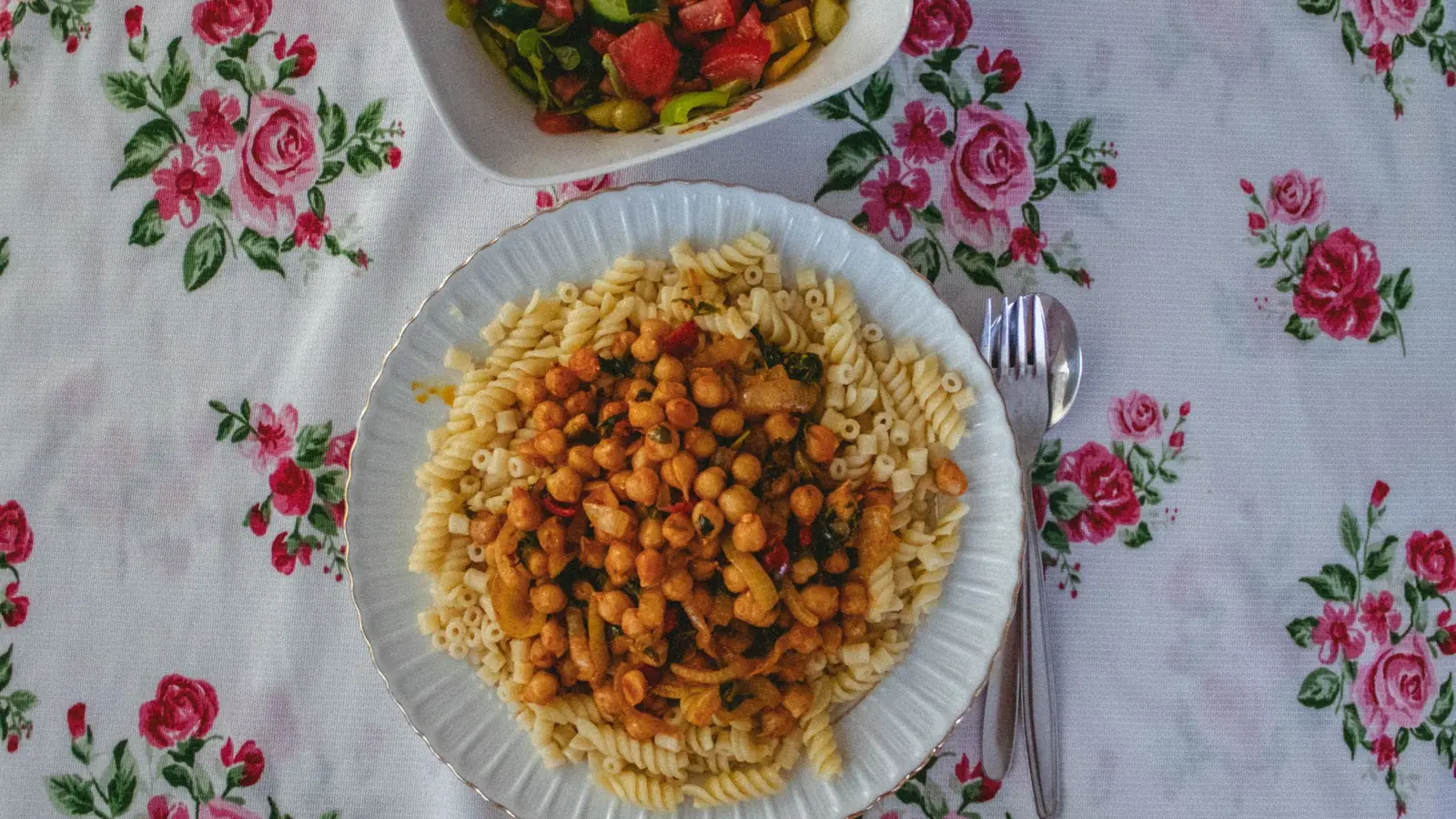
Chickpea (garbanzo) pasta is the most popular high-protein option for a reason: it carries roughly twice the protein and more than double the fiber of wheat pasta while staying the closest in taste to a familiar noodle. A 2-ounce serving lands near 11 grams of protein and 5 grams of fiber. The flavor is mild and slightly nutty, and well-made shapes hold sauce nicely. This is the easiest swap if you are feeding people who are skeptical of "bean pasta." Brands like Banza chickpea penne built the category on exactly this balance.
Chickpea + lentil pasta
Blending chickpeas with yellow and red lentils pushes protein and fiber to the top of the category - around 13 grams of protein and 6 grams of fiber per serving - with a heartier, more savory flavor. These are the boxes to reach for when protein is the priority and you do not mind a denser noodle. Chickapea's organic chickpea-and-lentil penne is a clean example: the ingredient list is just chickpeas and lentils, nothing else.
Red and yellow lentil pasta
Pure lentil pastas (often red lentil) sit alongside chickpea for protein and fiber, with a slightly earthier taste and a tendency to soften faster in the pot. They cook quickly and work well in baked dishes and brothy preparations. If you like the legume-pasta nutrition but want a change from chickpea, lentil is the natural alternative.
Rice and lentil blends
Blending rice with lentil flour is a middle path: it brings the texture closer to traditional wheat pasta than a pure legume noodle, while adding a little more protein than rice alone. Expect around 8 grams of protein and only about 2 grams of fiber per serving - better than plain rice pasta, but not a true high-protein food. Bionaturae's organic rice and lentil penne is a good pick when texture matters more than maxing out protein.
Brown rice and quinoa pasta
Brown-rice and rice-quinoa pastas are the texture champions of the gluten-free aisle - the most forgiving, the most neutral in flavor, and the closest to wheat pasta on the plate. Nutritionally, though, they behave like regular pasta: roughly 4 to 5 grams of protein and 2 to 3 grams of fiber. Choose these when avoiding gluten is the only goal and you want a noodle nobody questions, such as Jovial's organic brown-rice penne.
Lupini and semolina blends
A newer style blends durum semolina with lupini-bean flour to raise protein and fiber while keeping the cook and bite of classic Italian pasta. The protein and fiber numbers are genuinely high. The catch: because the base is still wheat semolina, these pastas contain gluten and are not gluten-free. They are a strong high-protein choice for anyone who tolerates wheat but a non-starter for celiac or gluten-free eaters.
Whole wheat pasta
If gluten is not a concern, whole-wheat pasta is the simplest upgrade over white pasta: similar protein, but two to three times the fiber, plus the intact bran and germ. It will not match the legume pastas on protein, but it is inexpensive, widely available, and a reliable everyday step up.
How to read a high-protein pasta label without getting fooled
The front of the box is built to impress; the back is where the truth lives. A few habits make the comparison fast.
- Check the per-serving protein, not the headline. Many brands advertise a number like "23 g protein" or "20 g protein" that is measured per 100 grams or per 3.5 ounces - close to two normal servings. The 2-ounce serving you actually cook usually delivers 11 to 14 grams. That is still excellent for a pasta; just calibrate the expectation.
- Read the first ingredient. For a real high-protein pasta, the first ingredient should be a legume flour - chickpea, lentil, or both. If the first ingredient is rice flour, corn flour, or a starch, you are holding a gluten-free noodle, not a protein food, regardless of the marketing.
- Compare net carbs honestly. Legume pastas run modestly lower in net carbs than wheat pasta - useful, but "low carb" overstates it. A chickpea penne still has roughly 25 to 30 grams of net carbs per serving. The win is the protein and fiber alongside those carbs, which is what changes how the meal sits with you.
- Look for the certifications that matter to you. For strict gluten avoidance, a third-party gluten-free seal verifies the product tests below the threshold rather than relying on the recipe alone. USDA Organic and Non-GMO Project seals tell you about sourcing, not protein. Treat them as filters that narrow the shelf, never as the final call.
The federal "gluten-free" labeling rule requires a product to contain less than 20 parts per million of gluten, and independent programs like the Gluten-Free Certification Organization verify even tighter limits. That distinction matters most for celiac disease, where cross-contact - not just the recipe - is the risk. Single-ingredient legume pastas made on dedicated lines are often the safest bet.
The honest tradeoffs: taste, texture, and digestion
Legume pasta is not a free lunch, and the content that pretends otherwise is the content you should not trust. Three real tradeoffs are worth knowing before you switch your whole pantry.
Taste and texture. Chickpea and lentil pastas have a faint bean flavor and a softer, sometimes grainier bite than semolina. Sauce hides most of it - a robust tomato, pesto, or a creamy sauce works better than a delicate oil-and-cheese dressing where the noodle stands alone. Rice and rice-lentil blends are more neutral and closer to the wheat texture you remember.
Digestion. The same fiber and resistant starch that make legume pasta filling can cause gas and bloating if you jump from very little fiber to a big bowl overnight. Ramp up gradually and drink water with the meal. If you follow a low-FODMAP plan for IBS, chickpea and lentil pastas are high in the oligosaccharides that can trigger symptoms, so a rice-based gluten-free pasta may sit better. Our guide to fiber explains why most people are starting from a low baseline and how to add it comfortably.
Blood sugar. The protein and fiber in legume pasta slow digestion, which tends to blunt the blood-sugar spike a plain refined noodle can cause - one reason a chickpea bowl can feel steadier than the same volume of white pasta. It is food, not medicine, and individual responses vary, but the pattern is consistent with how fiber and protein behave. For the bigger picture, see our overview of balancing blood sugar with food and daily habits.
Pick the right pasta for your goal
There is no single best high-protein pasta - there is the best one for what you are trying to do. A few simple decision rules cover most kitchens:
- Most protein and fiber per box: a chickpea-lentil blend.
- High protein with the easiest crowd acceptance: chickpea pasta.
- Gluten-free with the most traditional texture: a rice-lentil blend or brown-rice pasta.
- More fiber but you tolerate wheat: whole-wheat or a lupini-semolina blend.
- Feeding kids or skeptics: start with chickpea or rice-lentil under a sauce they already like.
If your real aim is hitting a daily protein target, pasta is a contributor, not the centerpiece. Pairing any of these with beans, a quick meat or tofu, or a dairy topping does more than chasing the highest-protein noodle. For the full plant-protein playbook, our complete guide to plant-based protein and our breakdown of the best plant-based protein powders cover the pairings and the supplements worth keeping on hand. If you also use whey, our guide to grass-fed whey protein rounds out the protein picture.
Quick comparison
Three gluten-free pastas, three different jobs
All three are gluten-free penne, so the choice comes down to one axis: how much protein and fiber you want versus how close to traditional pasta texture you want to stay. Use the same label habits from this guide and pick the row that matches your goal.
| Product | Base | Best for | Notable |
|---|---|---|---|
| Chickapea Organic Penne - 8 oz Just organic chickpeas and lentils - a two-ingredient list. | Chickpea + lentil | The most protein and fiber in one box. | ~13 g protein and ~6 g fiber per serving; organic, gluten-free, vegan. |
| Banza Chickpea Penne - 8 oz Chickpea-based, built to taste the most like classic pasta. | Chickpea | High protein with the easiest crowd acceptance. | ~11 g protein and ~5 g fiber per serving; gluten-free, with fewer net carbs than wheat pasta. |
| Bionaturae Rice & Lentil Penne Rigate - 12 oz Organic rice blended with lentil flour for a softer bite. | Rice + lentil | Gluten-free with the most traditional texture. | ~8 g protein per serving; organic, gluten-free, closest to classic pasta on the plate. |
The honest takeaway: the chickpea-lentil box wins on protein, the chickpea box wins on familiarity, and the rice-lentil box wins on texture. Match the row to your goal, then check the panel for your real portion.
How to cook legume pasta so it does not turn to mush
Most disappointment with high-protein pasta is a cooking problem, not a product problem. Legume noodles release more starch and have a narrower window between done and overdone. A few adjustments fix it:
- Use plenty of well-salted water and a big pot, so the noodles are not crowded and the foam from legume starch has room to settle.
- Start tasting early. Check a minute or two before the box time and pull the pasta at a firm al dente - it keeps cooking off the heat.
- Skim the foam that rises with chickpea and lentil pasta, and keep the water at a steady simmer rather than a violent boil.
- Reserve a little pasta water, then drain and toss with sauce immediately. A quick rinse helps rice-based shapes; legume shapes usually do not need it.
- Do not overshoot the portion. Two ounces dry looks small but cooks up filling because of the protein and fiber - which is the point.
Frequently asked questions
Is chickpea pasta actually healthy?
For most people, yes - it delivers roughly twice the protein and several times the fiber of regular pasta, with modestly fewer net carbs, all from a whole-food legume base. It is not a magic food, and it is still a carbohydrate, but as a pasta swap it is a clear nutritional upgrade. The main caveat is digestion: the extra fiber can cause gas if you add a lot at once or follow a low-FODMAP diet.
Is Banza good for you?
Banza is chickpea pasta, so it carries the same advantages as the category: about 11 grams of protein and 5 grams of fiber per serving versus the 7 to 8 grams of protein and 2 to 3 grams of fiber in standard pasta. It is a sound everyday choice. As always, judge the specific shape's Nutrition Facts panel and match the portion to how much you actually eat.
Chickpea vs lentil pasta - which is better?
They are close. Chickpea pasta tastes the most like classic pasta and is the easier sell at the table; lentil pasta is slightly higher in protein in some products and a touch earthier, but softens faster when cooked. Chickpea-lentil blends combine the two and usually top the category on protein and fiber. Pick by flavor preference and the dish - all three are strong.
Is all gluten-free pasta high in protein?
No, and this is the most common misunderstanding. Gluten-free only means no wheat, barley, or rye. Rice, corn, and quinoa pastas are gluten-free but have about the same protein and fiber as regular pasta. Only the legume-based gluten-free pastas - chickpea and lentil - are genuinely high in protein.
Does high-protein pasta taste like regular pasta?
Close, not identical. Chickpea pasta is the most pasta-like, with a faint nutty note; lentil pasta is earthier; rice-lentil and brown-rice blends are the most neutral. A flavorful sauce closes most of the gap, and cooking to a firm al dente keeps the texture pleasant.
Can high-protein pasta help with weight or blood sugar?
It can support both indirectly. The protein and fiber increase fullness and slow digestion, which tends to steady the blood-sugar response compared with a refined noodle and can make it easier to eat a sensible portion. It is one helpful food within an overall pattern, not a treatment - if you manage diabetes or a medical condition, talk with your healthcare professional about how it fits your plan.
Does protein pasta have gluten?
Only when its base is wheat. Both chickpea pasta and lentil pasta are naturally gluten-free protein pastas, made without wheat, barley, or rye, and most brands back that up with a third-party gluten-free certification. Protein noodles built on lupini beans blended into wheat semolina, and protein-boosted versions of traditional pasta, do contain gluten. For celiac disease or strict gluten avoidance, confirm the certified gluten-free seal on the box rather than trusting the protein claim.
How much protein is in chickpea pasta?
Chickpea pasta delivers about 11 to 13 grams of protein and around 5 grams of fiber per 2 oz (56 g) dry serving, the figures shown on manufacturer Nutrition Facts panels and in USDA FoodData Central entries. Red and yellow lentil pastas land in the same range, chickpea-lentil blends top the category at about 13 grams, and regular wheat pasta offers 7 to 8 grams of protein and 2 to 3 grams of fiber for the same serving. Larger claims of 20 to 26 grams of protein per serving are usually measured per 100 grams, close to two normal servings, so compare labels at the same serving size.
The bottom line
Gluten-free and high-protein are two different promises, and only the legume pastas - chickpea, lentil, and their blends - reliably deliver both. If protein is the goal, read the first ingredient and aim for a legume base; if avoiding gluten is the goal, any gluten-free base works and you can choose on texture and taste. Match the box to your job, cook it a minute shy of the timer, and pair it with a protein you already love. Browse the full range in our pasta collection and start with the base that fits the meal you are actually making tonight.