Take too much zinc for too long and the deficiency you end up creating is not zinc's at all. It is copper's. That single fact reorders the whole zinc aisle. Shoppers spend their energy agonizing over which salt to buy, picolinate or bisglycinate, when the human evidence separating the well-absorbed forms is thin and the number that can work against you is the total daily dose. Zinc is one of the few supplements where more is not a bigger favor to your body, and where the ceiling matters as much as the target.
The form question has a straight answer, and it is not the one either bottle is selling. Dose is where the real decisions live.
The short version
- Adults need 11 mg (men) or 8 mg (women) of zinc a day, and the safe upper limit is 40 mg. A daily maintenance supplement of 15 to 30 mg covers almost everyone who needs one, and the milligram number on the Supplement Facts panel matters more than the form printed on the front of the bottle.
- No published human trial has compared zinc picolinate directly against zinc bisglycinate. Both are well-absorbed choices with one small study each, against different comparators, so pick by tolerance and price. Bisglycinate is the gentler option if picolinate bothers an empty stomach.
- The real risk of long-term high-dose zinc is copper deficiency. Around 50 mg a day for weeks can block copper absorption, lower "good" HDL cholesterol, and blunt the very immune function people take zinc to support.
- Zinc lozenges may shorten a cold by roughly a day or two if you start at the first symptom, but the evidence is low certainty and this is not the same as a daily capsule. Swallowed zinc taken every day does not prevent colds.
- Food covers most people. Oysters, red meat, poultry, beans, nuts, and seeds supply zinc; a single serving of oysters holds several times a full day's requirement. Vegetarians absorb less and may need more.
- Skip the zinc nasal sprays. The FDA has linked intranasal zinc gels to lasting loss of smell.
What zinc actually does in the body
Zinc is a structural and catalytic workhorse. Around 300 enzymes depend on it, and it helps hold the shape of the "zinc finger" proteins that switch genes on and off. You do not store it in a large reserve the way you bank vitamin B12 or vitamin D, so a steady dietary supply keeps the system running. When intake drops for a while, the effects show up in the tissues that turn over fastest.
Three roles drive most of the interest:
- Immune defense. Zinc supports the normal development and function of the cells that patrol for infection. Deficiency measurably weakens that response, which is why zinc keeps appearing in immune research. Correcting a real shortfall helps; loading extra zinc onto a body that already has enough does not keep adding benefit.
- Wound healing and skin. Building new tissue and collagen depends on zinc, so low status slows healing. This is a maintenance role, not a topical cure.
- Taste, smell, growth, and reproduction. Your perception of taste and smell runs partly on zinc, and the mineral is essential for normal growth in children and for male reproductive health. A blunted sense of taste is one of the classic signs of a genuine deficiency.
Zinc is also a cofactor for one of the body's own antioxidant enzymes, copper-zinc superoxide dismutase, which quietly ties it to the wider antioxidant defense system. That partnership with copper matters more than it sounds: the two minerals compete for the same absorption route, so pushing one too hard drags the other down.
Zinc picolinate vs. bisglycinate vs. the rest: does the form matter?
Zinc in a supplement is never zinc on its own. The mineral arrives bound to a carrier molecule, and that pairing is the "form" on the label. Picolinate binds zinc to picolinic acid. Bisglycinate binds it to two molecules of the amino acid glycine, which makes it a chelate. Gluconate, citrate, and sulfate use gluconic, citric, and sulfuric acid. Oxide is the cheap default in many multivitamins. Whole-food and food-based products usually still use one of those chelates, then surround it with cultured or plant-derived cofactors, so the phrase describes the company the zinc keeps more than the zinc itself.
Here is the evidence, stated plainly. The National Institutes of Health puts absorption of zinc citrate and zinc gluconate at roughly 61 percent in young adults, with zinc oxide lower at about 50 percent. Picolinate is not on that list at all. Its reputation rests largely on one small study: a 1987 crossover trial in 15 volunteers found that only picolinate raised zinc levels in hair, red blood cells, and urine over four weeks, while citrate and gluconate did not. Bisglycinate has a study of its own, a 2007 randomized crossover in 12 women that measured higher blood zinc after a 15 mg dose of bisglycinate than after the same dose of gluconate. A 2024 review in Nutrients weighed the wider literature and concluded that zinc glycinate and zinc gluconate come out best absorbed, with the caveat that the review was funded by a supplement manufacturer.
Now notice what is missing. No published human trial has put picolinate directly against bisglycinate. The exact comparison this category argues about, the one printed on the front of both bottles, has never been run. Each form has a single small study against a different comparator, twenty years apart, which is why any confident ranking of one over the other is a marketing position rather than a finding.
What does move the needle is unglamorous: total dose, whether you take it with food, and simple consistency. Do not overpay for a form claim. Where the forms genuinely differ is tolerability, and that is a reasonable basis for choosing one.
| Form | What it is | Absorption and tolerability | Best for |
|---|---|---|---|
| Picolinate | Zinc bound to picolinic acid | Well absorbed; the most-marketed "high-uptake" form, backed by limited human data | A capable default at a fair price; our Thorne Zinc Picolinate 30 mg is a straightforward everyday pick |
| Bisglycinate (chelate) | Zinc bound to two glycine molecules | Well absorbed, with one human trial beating gluconate; notably gentle on an empty stomach | Anyone whose stomach reacts to other forms; Thorne Zinc Bisglycinate 30 mg is the gentle option |
| Citrate | Zinc bound to citric acid | About 61 percent absorbed; inexpensive and widely available | Value shoppers who want a proven absorber |
| Gluconate | Zinc bound to gluconic acid | About 61 percent absorbed; the common lozenge and budget-tablet form | Cold lozenges and low-cost tablets; Solgar Zinc 50 mg is a higher-dose gluconate best split or used short term |
| Sulfate | Zinc bound to sulfuric acid | Absorbs fine and costs the least; also the form most likely to leave an empty stomach queasy | The standard drugstore and research tablet, usually sold at 220 mg of salt, which delivers about 50 mg of zinc |
| Whole-food blends | A chelate delivered alongside cultured or plant-derived cofactors | Absorption tracks whichever chelate is underneath; the whole-food part is what rides along | People who want the cofactors in the same capsule; Garden of Life RAW Zinc pairs a brown rice chelate with vitamin C and a trace-mineral blend |
| Oxide | Zinc bound to oxygen | Lower at about 50 percent; cheap and common in blends | Not worth seeking out on its own; fine as one ingredient in a multivitamin |
If you want the parallel logic for another mineral, our guide to magnesium forms compared walks through the same "form decides absorption and tolerability" question, where the spread between forms is actually wider than it is for zinc.
How much zinc per day, and the ceiling that matters
The recommended dietary allowance for zinc sits at 11 mg a day for adult men and 8 mg for adult women, with pregnancy at 11 mg and breastfeeding at 12 mg. Those numbers assume you get some zinc from food, which most people do. A daily supplement in the 15 to 30 mg range comfortably covers anyone topping up a small shortfall.
The number that gets ignored is the tolerable upper intake level: 40 mg a day for adults, from food and supplements combined. This is not a scare threshold you cross for a week during a cold. It is the ongoing daily limit, and the reason it exists is copper. Zinc and copper compete for the same absorption pathway in the gut, so a steady high zinc intake slowly starves you of copper. The NIH notes that doses of about 50 mg a day over a period of weeks can inhibit copper absorption, reduce immune function, and lower HDL cholesterol. Prolonged copper deficiency causes its own anemia and neurological problems, and it is hard to spot because nobody is looking for it.
This is the paradox worth sitting with: the immune function most people are chasing when they take extra zinc is exactly what chronic overdoing it can undermine. Take a sensible daily amount and stop there.
| Situation | Typical amount | What to keep in mind |
|---|---|---|
| Meeting the daily requirement | 8 to 11 mg from food and supplements | Most varied diets get here without a pill |
| Daily maintenance supplement | 15 to 30 mg | A reasonable top-up; well under the upper limit |
| Short cold-symptom course | Lozenges as directed, at first symptom | Days, not weeks; stop when the cold passes |
| Tolerable upper limit (adults) | 40 mg | The ongoing daily ceiling from all sources |
| Where trouble starts | Around 50 mg a day for weeks | Blocks copper, can lower HDL and blunt immunity |
If you take zinc above about 25 to 30 mg a day for more than a few weeks, many practitioners suggest adding a small amount of copper (often 1 to 2 mg) to keep the balance. Talk to your healthcare professional before running a high dose long term, particularly if you take other supplements or a prescription alongside it.
Elemental zinc: which number on the bottle is the real dose
In the United States, the Supplement Facts panel does the hard part for you. It declares the zinc itself rather than the weight of the compound carrying it, so a panel reading "Zinc (as zinc picolinate) 30 mg" means 30 mg of zinc, and that holds whether the carrier is bisglycinate, citrate, or gluconate. Trust that figure, and add it up across everything you take.
Three things break that clarity:
- Salt weights printed on the front. Drugstore zinc sulfate is the classic case. A "220 mg" tablet means 220 mg of zinc sulfate, and since zinc sulfate is only about 23 percent zinc by weight, that works out to roughly 50 mg of zinc. One tablet puts you above the 40 mg daily ceiling, at the exact dose the copper warnings describe.
- "Chelated zinc" with no dose attached. Chelated zinc means the mineral is bound to an amino acid, usually glycine. It describes the carrier, not the strength. Turn the bottle over.
- Zinc you forgot you were taking. Multivitamins, prenatals, immune blends, and effervescent drink tablets each carry their own zinc. Two products at 25 mg apiece clear the upper limit without either label looking aggressive.
Do that arithmetic once, on the bottles already in your cupboard. It catches more real overdosing than any amount of form-shopping.
Zinc for colds: lozenges vs. a daily capsule
This is where zinc earns much of its reputation, and where the details get lost. The evidence on colds points to one specific delivery method: a lozenge, usually zinc acetate or gluconate, that you let dissolve slowly in the mouth at the very first sign of illness. Play it that way and a cold may run a day or two shorter. The NIH rates that underlying evidence as low to very low certainty, and none of it applies to a cold you have already had for three days.
Two distinctions decide whether zinc helps here:
- Lozenge, not swallowed pill. The proposed mechanism is local contact with the throat as the lozenge dissolves, not systemic absorption. A daily swallowed capsule is a nutrition supplement, not a cold treatment.
- Timing, not prevention. The modest benefit is about shortening a cold already underway. Taking zinc every day does not lower your odds of catching one.
One clear warning sits alongside the lozenges: do not use zinc nasal sprays or gels. By 2009 the FDA had received more than 130 reports of anosmia, a lasting or permanent loss of smell, linked to homeopathic intranasal zinc cold products, and it concluded that using them as labeled exposed people to a level of intranasal zinc it treated as a serious safety concern. That is reason enough to leave them on the shelf. Lozenges taken as directed are the only zinc-for-colds format with a reasonable safety and evidence profile. For the bigger picture on what actually supports immune resilience, our guide to building a resilient immune system puts zinc in context with sleep, vitamin D, and the rest.
Food first: where to get zinc without a pill
Most people who eat a mixed diet reach their zinc target from food, and food delivers zinc alongside the protein and other minerals that help you use it. Animal sources lead because their zinc is more available and comes without the phytates that bind the mineral in plants.
| Food | Zinc per serving | Notes |
|---|---|---|
| Oysters (3 oz) | ~28 to 32 mg | By far the richest source; one serving holds several days' worth |
| Beef (3 oz) | ~3.8 mg | Red meat is a reliable everyday source |
| Crab (3 oz) | ~3.2 mg | Other shellfish contribute well too |
| Chicken or turkey, dark meat (3 oz) | ~2.4 to 2.9 mg | A steady everyday source, with dark meat well above white |
| Beans, lentils, chickpeas | ~1.5 to 2.5 mg per cooked cup | Solid plant source; soaking and sprouting free up more zinc |
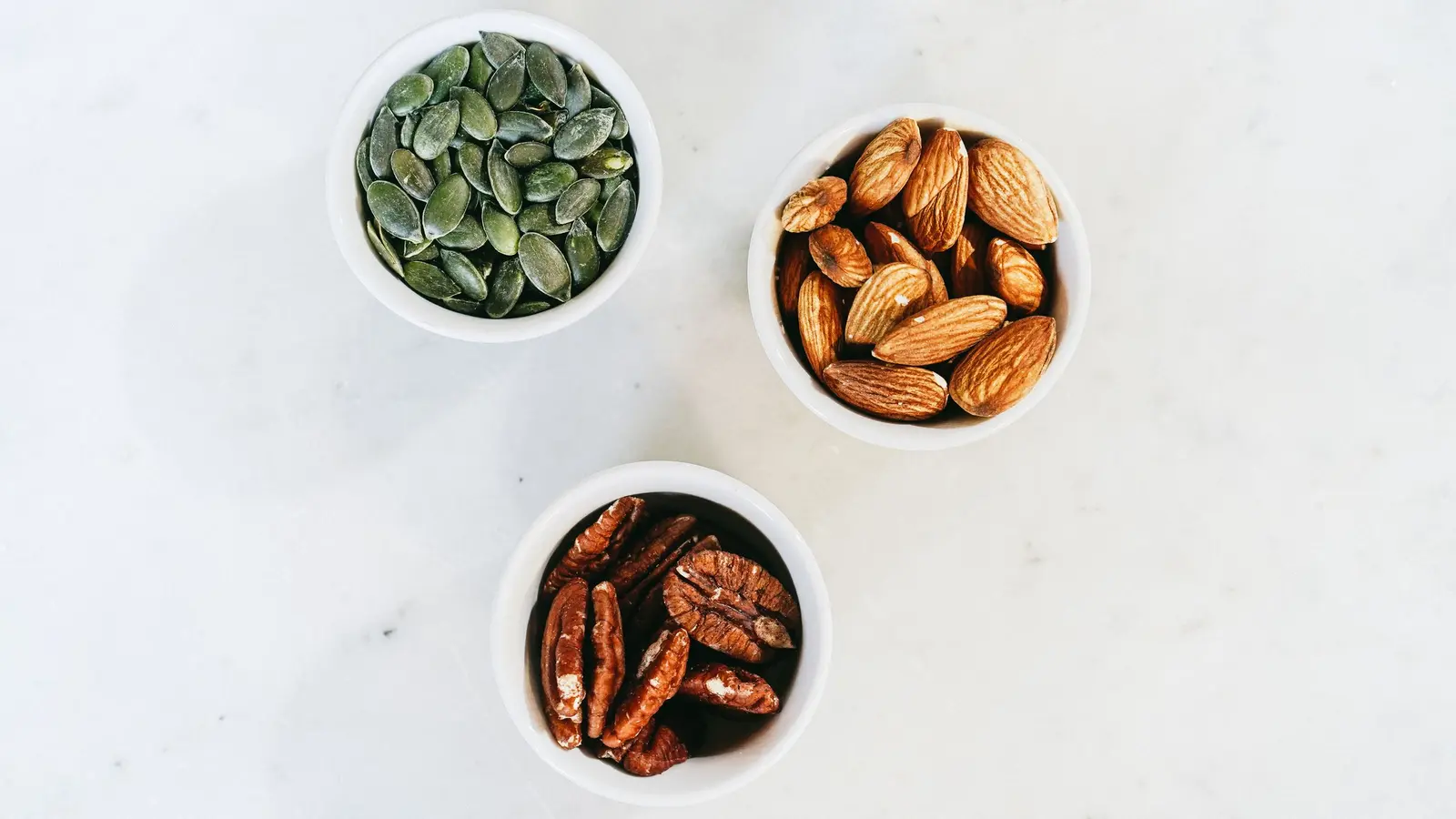
| Nuts and seeds (cashews, pumpkin, hemp) | ~1.6 to 2.8 mg per ounce | Pumpkin and hemp seeds sit at the top of this range; cashews at the bottom |
Serving values above come from the NIH Office of Dietary Supplements and USDA FoodData Central, both listed in the references.
The catch for plant-based eaters is phytate, a compound in legumes, whole grains, nuts, and seeds that binds zinc and blocks some of its absorption. Because of that, the Institute of Medicine estimated that people on vegetarian diets high in phytate may need as much as 50 percent more zinc than the standard recommendation. You can push back on phytate at the kitchen level: soaking beans and grains, sprouting, fermenting (as in sourdough), and leavening bread all lower the phytate load and free up more of the mineral.
Who actually needs a zinc supplement
A supplement makes sense when diet or absorption leaves an actual gap, not as a blanket immune insurance policy. The groups most likely to run low:
- Vegetarians and vegans, because of lower intake and the phytate effect described above.
- People with digestive conditions such as inflammatory bowel disease, or those who have had bariatric surgery, since both reduce absorption.
- Pregnant and breastfeeding women, whose needs run higher.
- People with alcohol use disorder: the NIH notes that 30 to 50 percent have low zinc status, from both poor intake and increased losses.
- Older adults, who often eat less and absorb less, and in whom low zinc shows up as slower wound healing.
The signs of a true shortfall include a blunted sense of taste or smell, slow-healing wounds, hair loss, frequent infections, and in children, delayed growth. They overlap with plenty of other conditions, so they point toward a conversation with a clinician rather than a self-diagnosis.
One thing worth knowing before you ask for a blood test: zinc is harder to measure than most nutrients. The NIH notes that serum zinc shifts with your sex and age and even with whether the blood was drawn in the morning or the evening, and that it does not always track what you eat or supplement. Infection, hormonal changes, and muscle breakdown move the number too. A zinc result is a clue read alongside your diet and symptoms, not a verdict on its own, which is another reason to bring a clinician into it.
Zinc also interacts with iron: taking 25 mg or more of supplemental iron at the same time as zinc can cut zinc absorption, so if you supplement both, space them apart. Our guide to iron deficiency covers the flip side of that mineral balance.
A note on zinc and testosterone
Zinc shows up in a lot of "test-boosting" marketing, and the reality is narrower than the pitch. Zinc is essential for normal male reproductive function, and a real zinc deficiency can lower testosterone. Correcting that deficiency can help restore normal levels. What the evidence does not support is the idea that piling extra zinc onto a man who already has enough will push testosterone above normal. It is deficiency correction, not enhancement, and chasing the latter with high daily doses runs straight into the copper problem. For the wider picture on nutrients that matter for men, see our men's health essentials guide.
How to choose and take a zinc supplement
Put the pieces together and the decision gets simple:
- Pick a form by tolerance, not hype. Picolinate is a strong, fairly priced default. If it bothers your stomach, bisglycinate is the gentle chelate. Prefer the cofactors of a food-based blend? That works too. None of these is a wrong answer.
- Aim for 15 to 30 mg a day for a maintenance top-up, and keep total intake from all sources under the 40 mg upper limit.
- Read the panel, not the front. The Supplement Facts number is the zinc you actually get, and a big number on the label may be the weight of the salt instead.
- Mind the stacking. Check whether your multivitamin, immune blend, or prenatal already includes zinc before you add a separate pill.
- Time it around food and other minerals. Zinc on a completely empty stomach can cause nausea, so a little food helps if that is you; keep it separate from high-dose iron and calcium, which compete for absorption. Our supplement timing guide covers the spacing.
- Check your prescriptions. Zinc and quinolone or tetracycline antibiotics block each other, and zinc blunts penicillamine; thiazide diuretics push zinc out in urine. Spacing usually solves the first two. Ask your pharmacist.
- Add copper for the long haul. If you run a higher dose for more than a few weeks, a small copper dose keeps the balance; ask your healthcare professional.
- Buy on quality, not claims. A tested product from a reputable brand at a sensible dose beats a flashy "maximum absorption" label. Our guide to choosing quality supplements shows what a label worth trusting looks like.
Want vitamin D in the same tablet? Garden of Life D3 & Zinc carries 22 mg of zinc next to 5,000 IU of vitamin D, and Solgar Zinc Picolinate 22 mg lands at the same 22 mg on its own. Either one leaves room under the 40 mg ceiling, right up until you stack it on a multivitamin that already contains zinc. You can compare the full lineup in our zinc supplements collection.
Frequently asked questions
Is zinc picolinate or bisglycinate better?
No published trial has compared the two directly, so the honest answer is that nobody knows which absorbs better. Choose on tolerance and price instead: bisglycinate tends to sit better on an empty stomach, and picolinate is usually the cheaper everyday pick. The evidence behind the marketing is thinner than it looks. Picolinate has one 1987 crossover in 15 people, bisglycinate has a 2007 crossover in 12 people that beat gluconate, and neither form was ever measured against the other. Both sit among the well-absorbed forms, so the difference you will notice is how your stomach handles it, not uptake.
How much zinc should I take per day?
The daily requirement is 11 mg for adult men and 8 mg for adult women, and most mixed diets already supply that. If you supplement, 15 to 30 mg a day is a sensible maintenance amount. Keep your total from food and supplements under the tolerable upper limit of 40 mg a day, since more offers no extra benefit and can cause harm over time.
Can I take zinc every day long term?
A modest daily dose within the upper limit is generally fine for people who need it. The concern with long-term use is copper: sustained intake around 50 mg a day can block copper absorption over weeks. If you take more than roughly 25 to 30 mg a day for an extended period, consider adding a small amount of copper and check with your healthcare professional.
What are the side effects of zinc?
At sensible doses zinc is well tolerated. The usual complaints are nausea, a metallic taste, and stomach upset, and they cluster around higher doses and empty stomachs; taking it with a little food resolves most of them. The side effect that matters more is slow and invisible: sustained intake above the 40 mg upper limit depletes copper over weeks to months, which can bring on anemia and nerve problems. Stop and speak to your healthcare professional if a dose leaves you queasy every time, or if you have been running a high dose for months.
What does elemental zinc mean on a label?
Elemental zinc is the zinc itself, separate from the compound carrying it. US Supplement Facts panels already report it that way, so "Zinc (as zinc gluconate) 30 mg" means 30 mg of zinc. The gap appears when a front label or a drugstore tablet lists the salt weight instead: 220 mg of zinc sulfate is roughly 50 mg of elemental zinc, which is above the 40 mg daily upper limit. Compare panel numbers, not front-of-bottle numbers.
When is the best time to take zinc?
Zinc on a completely empty stomach can cause nausea, so taking it with a little food helps if you are sensitive. Keep it away from high-dose iron and calcium supplements, which compete with zinc for absorption. Coffee and high-phytate meals can also blunt uptake, so a light snack rather than a heavy grain-and-legume meal is ideal.
How long does zinc take to work?
There is no single answer, because the reasons people take zinc run on different clocks. Correcting a shortfall is a matter of weeks, and taste, appetite, and wound healing are usually the first things to improve. A lozenge started at the first sign of a cold works on a scale of days. When your zinc status is already adequate, a daily capsule is not something you should expect to feel at all; it is maintenance, and noticing nothing is the normal result.
Does zinc raise testosterone?
Only if you are deficient. Zinc is essential for normal male reproductive function, and correcting a real deficiency can restore normal testosterone. There is no good evidence that extra zinc pushes testosterone above normal in men who already have enough, and high daily doses risk copper depletion. Treat zinc as filling a gap, not as a performance enhancer.
Does zinc help with skin or acne?
Zinc plays a real role in skin repair and normal skin function, and it has been studied for inflammatory acne with mixed and limited results. That does not make a zinc supplement an acne treatment, and the doses used in those studies are often high enough to raise the copper concerns covered above. If you are weighing zinc for a skin problem, treat it as a question for a dermatologist rather than a self-prescribed fix.
Does zinc interact with any medications?
With several, and timing solves most of it. Zinc and quinolone or tetracycline antibiotics interfere with each other's absorption, so the NIH suggests taking the antibiotic at least 2 hours before or 4 to 6 hours after your zinc. Zinc also reduces the absorption of penicillamine, which should be separated from zinc by at least an hour. Thiazide diuretics run the other direction: they increase how much zinc you lose in urine, which can pull zinc status down over months. Tell your pharmacist or healthcare professional what you already take before adding zinc.
Why do I need copper if I take zinc?
Zinc and copper compete for the same absorption pathway in the gut, so a steady high zinc intake gradually lowers copper. Copper deficiency causes its own anemia and neurological issues and is easy to miss. A small copper dose alongside longer-term or higher-dose zinc keeps the two minerals in balance.
Are zinc lozenges worth taking when a cold hits?
They may modestly help if you start at the very first symptom. Acetate or gluconate lozenges dissolved in the mouth within a day of onset have been linked to a cold ending about a day or two sooner, on low-certainty evidence. They do not prevent colds, and a swallowed daily capsule is not the same thing. Avoid zinc nasal sprays entirely; the FDA has linked them to lasting loss of smell.
The bottom line
Zinc rewards a modest, steady approach more than a clever one. Get most of it from food, add a 15 to 30 mg daily supplement if you fall into a low-zinc group, and choose the form by how your stomach handles it rather than by an absorption headline. Check the Supplement Facts panel so you know what you are taking, save higher doses for the short cold-lozenge window, respect the 40 mg ceiling, and add a little copper if you run zinc high for long. Do that and you get everything zinc has to offer without the quiet cost that comes from overdoing it.
This article is for general education and is not medical advice. Talk to your healthcare professional before starting a supplement, especially during pregnancy, while breastfeeding, if you take medication, or if you manage a health condition.
References
- National Institutes of Health, Office of Dietary Supplements. Zinc: Fact Sheet for Health Professionals.
- Institute of Medicine. Dietary Reference Intakes for Vitamin A, Vitamin K, Arsenic, Boron, Chromium, Copper, Iodine, Iron, Manganese, Molybdenum, Nickel, Silicon, Vanadium, and Zinc (vegetarian requirement).
- Barrie SA, Wright JV, Pizzorno JE, et al. Comparative absorption of zinc picolinate, zinc citrate and zinc gluconate in humans. Agents and Actions, 1987.
- Gandia P, Bour D, Maurette JM, et al. A bioavailability study comparing two oral formulations containing zinc (Zn bis-glycinate vs. Zn gluconate) after a single administration to twelve healthy female volunteers. International Journal for Vitamin and Nutrition Research, 2007.
- Devarshi PP, Mao Q, Grant RW, Hazels Mitmesser S. Comparative Absorption and Bioavailability of Various Chemical Forms of Zinc in Humans: A Narrative Review. Nutrients, 2024;16:4269. Funded by Pharmavite, LLC; three authors are Pharmavite employees.
- U.S. Food and Drug Administration. Homeopathic Drug Products: Guidance for FDA Staff and Industry (December 2022), on the intranasal zinc anosmia reports.
- U.S. Food and Drug Administration. 21 CFR 101.36, Nutrition labeling of dietary supplements (Supplement Facts declaration).
- U.S. Department of Agriculture. FoodData Central (poultry, legume, nut, and seed zinc values).