A daily multivitamin, taken by more than 390,000 adults and tracked for over two decades, showed no sign of helping them live longer. That 2024 finding is a fitting place to begin, because it cuts against nearly everything the modern longevity industry is built to sell - the NAD boosters, the resveratrol, the biological-age tests, the influencer pill stacks. Aging, it turns out, is not a problem you can buy your way out of. The science tells a quieter, more useful story, and it starts with one honest distinction: what has actually been proven to help people live longer and healthier, versus what has only ever worked in a petri dish, a worm, or a mouse.
The short version. No supplement or drug has been proven to extend human lifespan. The strategies with the strongest human evidence are unglamorous and mostly free: eat a mostly whole-food diet, exercise both your heart and your muscles, sleep at least seven hours, do not smoke, stay socially connected, and keep your blood pressure, blood sugar, and cholesterol in a healthy range. Supplements play a small, specific supporting role - never the starring one.
This guide lays out the science of longevity in plain language: the habits that genuinely move the needle, a clear-eyed grading of the popular "longevity" supplements, the multivitamin-and-mortality question, and the marketing claims worth ignoring. The aim is not to sell you a 30-pill morning routine but to help you put your effort and money where the evidence actually points - which, in practice, is mostly on your plate, your calendar, and your relationships.
Key takeaways
- Aging is many overlapping processes, not one switch. The "hallmarks of aging" grew from nine in 2013 to twelve in 2023, which is why no single molecule could plausibly reverse it.
- Lifespan and healthspan are different goals. The years you stay healthy and active matter more than raw years lived, and that distinction is what the marketing blurs.
- The strongest evidence is unglamorous. Everyday basics - diet, movement, sleep, and not smoking - have the best human evidence for a long, healthy life.
- Be skeptical of the "longevity supplement" shelf. Trendy molecules are mostly backed by animal or early studies, not by proof they extend human life.
- A daily multivitamin is not a longevity pill. A large 2024 analysis tracking adults for more than twenty years found multivitamin users were no less likely to die than non-users.
- Real anti-aging nudges several systems at once. That is exactly what good food, movement, and sleep do - the boring basics beat the hyped molecule.
What "aging" actually is - and why no pill "cures" it
Aging is not one process with one switch. Researchers describe it as a web of interacting biological changes. The most cited framework, the "hallmarks of aging," began as nine processes in a landmark 2013 paper and was expanded to twelve in a 2023 update: things like genomic instability, telomere shortening, epigenetic changes, the buildup of worn-out "senescent" cells, mitochondrial decline, chronic low-grade inflammation, and shifts in the gut microbiome. The takeaway for a shopper is simple but important. Because aging is driven by many overlapping mechanisms at once, the idea that a single molecule could reverse it is biologically implausible. Anything that genuinely helps will nudge several of these processes a little - which is exactly what good food, movement, and sleep do.
It also helps to separate two words the marketing blurs together. Lifespan is how long you live. Healthspan is how long you live in good health, free of disability and chronic disease. US life expectancy at birth was about 78.4 years in 2023 (it has been recovering after pandemic-era declines), but the average American spends a meaningful chunk of late life managing one or more chronic conditions. The most realistic goal for almost everyone is not to break a longevity record. It is to compress the years of decline - to stay strong, sharp, and independent for as long as possible. That goal is far more achievable, and the evidence for how to reach it is genuinely good.
The habits with the strongest human evidence
If a longevity intervention existed that cut mortality the way these everyday behaviors do, it would be the most valuable drug ever made. The catch is that they are behaviors, not products - so no one spends millions marketing them. Here is how the core levers stack up, each backed by large human studies rather than animal models.
| Lever | What the human evidence shows | A practical target |
|---|---|---|
| Not smoking | Smoking costs about a decade of life; quitting before 40 avoids roughly 90% of the excess risk | Don't start; if you do, quitting at any age helps fast |
| Physical activity + fitness | Higher cardiorespiratory fitness tracks with sharply lower mortality, with no observed upper limit | 150-300 min/week of movement, plus strength work 2+ days |
| Diet quality | A Mediterranean-style pattern lowered major cardiovascular events by about 30% in a randomized trial | Mostly plants, fish, olive oil, nuts, legumes, whole grains |
| Sleep | Both short and long sleep are linked to higher mortality (a U-shaped curve), lowest near 7 hours | 7-9 hours, consistent schedule |
| Social connection | Strong relationships are tied to about 50% higher odds of survival over follow-up | Regular, real contact; community and purpose |
| Metabolic and heart health | Blood pressure, blood sugar, and cholesterol are leading, modifiable mortality risks | Know your numbers; treat what's out of range |
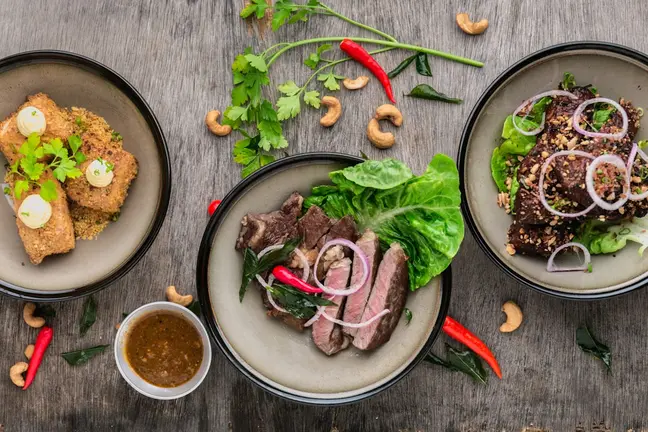
Eat mostly real food
Diet is the most-studied longevity lever, and the most consistent finding is about pattern, not any single superfood. The strongest single piece of evidence is the PREDIMED trial, which randomized more than 7,400 older Spanish adults at high cardiovascular risk to a Mediterranean diet (rich in extra-virgin olive oil or nuts) or a lower-fat control diet. Over a median of nearly five years, the Mediterranean groups had roughly 30 percent fewer major cardiovascular events - heart attack, stroke, or cardiovascular death. (The trial was retracted and republished in 2018 after a flaw in how some participants were randomized; the corrected analysis reached the same conclusion, which is itself a small lesson in reading science honestly.)
You do not need to eat Spanish to capture the benefit. The shared backbone of the diets linked to longer, healthier lives - Mediterranean, the closely related DASH pattern, traditional Okinawan eating - is the same: mostly plants, plenty of vegetables and legumes, whole grains over refined ones, fish and olive oil instead of processed and ultra-processed foods, and limited added sugar and red or processed meat. If you want the full picture of which foods calm or fuel chronic inflammation, our guide to the anti-inflammatory diet breaks down the plate in detail. The point worth repeating: the benefit comes from the overall pattern eaten for years, not from a powder sprinkled on top of a poor diet.
Don't chronically overeat
Calorie restriction reliably extends lifespan in lab animals, and it is the single observation that launched modern longevity science. Whether it does the same for people is unknown - and unlikely to ever be tested directly, because the trial would have to run for decades. What we do have is CALERIE, a two-year randomized trial in which healthy, non-obese adults aimed for 25 percent fewer calories. They managed about 12 percent on average, and even that modest, sustained reduction improved blood pressure, cholesterol, blood-sugar regulation, and inflammation markers beyond what the weight loss alone explained. The trial measured risk factors, not survival, so the fair summary is: caloric moderation looks metabolically beneficial, but "eat less to live longer" is an extrapolation, not a proven human result.
For most people the practical version is not strict counting but avoiding chronic overconsumption - the slow caloric surplus that drives midlife weight gain and metabolic disease. Some find time-restricted eating a useful tool for that; our guide to intermittent fasting covers the methods and, importantly, who should skip it. Aggressive restriction is not for everyone: older adults at risk of losing muscle, people who are underweight, and anyone with a history of disordered eating should be cautious and talk with a clinician first.
Move - both your heart and your muscles
If there is a closest thing to a longevity drug, it is exercise, and the data are striking. In a study of more than 122,000 adults who took a treadmill test, higher cardiorespiratory fitness was associated with progressively lower death rates - with, remarkably, no upper limit of benefit. The least-fit group had roughly five times the mortality risk of elite performers, and being unfit carried a risk on par with or greater than smoking, diabetes, or coronary disease. This is observational, so fitness is partly a marker of overall health, not purely a cause. But it aligns with decades of trial evidence and a clear dose-response, which is why public-health guidelines land where they do: 150 to 300 minutes a week of moderate activity (or half that vigorous), plus muscle-strengthening on two or more days.
That second half - strength - is the part most people skip and the part that matters more with each decade. After about age 30 we lose muscle steadily, a process called sarcopenia that erodes strength, balance, and metabolic health and predicts frailty and falls late in life. Resistance training, enough protein, and (in some older adults) creatine are the tools with the best evidence for preserving muscle, according to the National Institute on Aging. You do not need a gym or a wearable that scores your "biological age." You need to get your heart rate up several times a week and to lift, push, carry, or bodyweight-train against resistance regularly.
Sleep at least seven hours
Sleep is where the body does much of its maintenance, and the epidemiology is consistent: mortality follows a U-shaped curve, lowest for people who sleep around seven hours and higher for both short and long sleepers. The American Academy of Sleep Medicine and the Sleep Research Society recommend that adults get seven or more hours regularly. "Long sleep" raising risk is mostly a marker of underlying illness rather than a danger of sleeping in, so the actionable half is clear - chronic short sleep is a genuine, modifiable risk. Protect a consistent schedule, get morning light, keep the room cool and dark, and treat loud snoring or daytime exhaustion as a reason to be screened for sleep apnea rather than something to push through.
Don't smoke - and manage your blood pressure and blood sugar
Some of the biggest longevity wins are medical, not nutritional. Smoking remains the single most important modifiable risk: adults who smoke lose about ten years of life expectancy on average, and quitting before age 40 avoids roughly 90 percent of the excess risk, with benefits at any age. After that come the "silent" cardiometabolic risks - high blood pressure, high blood sugar, and unfavorable cholesterol - which drive heart disease and stroke, the conditions that actually end most lives. None of them announce themselves with symptoms, which is the whole point of routine checks. Knowing and treating these numbers does more for your odds than any antioxidant capsule, and it is the part of "longevity" your regular clinician is genuinely expert in.
Stay connected - and keep a reason to get up
The least supplement-like lever may be the most underrated. A meta-analysis pooling 148 studies and more than 300,000 people found that strong social relationships were associated with about a 50 percent higher likelihood of survival over follow-up - an effect size comparable to quitting smoking and larger than many medical interventions. The US Surgeon General's 2023 advisory on social connection put it bluntly: the mortality impact of being socially disconnected is similar to smoking up to 15 cigarettes a day, with loneliness tied to roughly 29 percent higher risk of heart disease and 32 percent higher risk of stroke. The popular "Blue Zones" stories about the world's longest-lived communities point the same direction - mostly-plant diets, constant everyday movement, tight social ties, and a sense of purpose - though those are observational patterns, not proof that any one habit is the cause. Friendship, community, and purpose are not soft extras to a longevity plan. They are core to it.
The "longevity supplement" shelf, graded honestly
Now the part the marketing is built on. There is real, fascinating biology behind several of these compounds - they do things in cells and in animals. The problem is the leap from "extends lifespan in mice" to "buy this to live longer," a leap the human evidence has not yet earned. The National Institute on Aging says it plainly: there is often little, if any, science supporting claims that supplements will make you feel better, keep you from getting sick, or help you live longer, and most of your vitamins and minerals should come from food. Here is where the popular options actually stand.
| Supplement | The longevity claim | What human evidence shows | Honest verdict |
|---|---|---|---|
| Resveratrol | "Activates longevity genes" | Poorly absorbed; human trials disappointing; no healthspan or lifespan benefit shown | Not supported |
| NMN / NR (NAD+ boosters) | "Restores youthful cellular energy" | Reliably raise blood NAD+ and are well tolerated, but no trial shows slower aging or longer life in people | Unproven |
| Spermidine | "Triggers cellular cleanup (autophagy)" | Higher dietary intake tracks with lower mortality - but observational only, no longevity trial | Get it from food |
| Taurine | "A deficiency drives aging" | Extended lifespan in mice and healthspan in monkeys; the authors say human trials are still needed | Too early |
| CoQ10 | "Mitochondrial anti-aging" | Declines with age and with statins; best evidence is for specific heart situations, not general longevity | Situational |
| Omega-3 (EPA/DHA) | "Anti-inflammatory life extension" | 1 g/day did not cut major cardiovascular events or cancer overall in a large trial; some subgroup benefit | Food-first |
| Vitamin D | "Longevity vitamin" | Correcting deficiency matters, but 2,000 IU/day did not lower cancer or cardiovascular events in generally healthy adults | Fix deficiency only |
| Metformin / rapamycin | "Off-label anti-aging drugs" | Extend lifespan in mice; no completed trial proves they extend healthy human life; prescription-only with real risks | Investigational |
The NAD+ family (NMN, NR) and resveratrol. These are the headliners of the longevity-supplement world. NAD+ is a coenzyme central to energy metabolism that falls with age, and precursors like nicotinamide riboside do reliably raise NAD+ levels in human blood - one trial roughly tripled it - while being well tolerated. But raising a biomarker is not the same as slowing aging, and that is where the story stops: no human trial has shown that NMN, NR, or resveratrol extends healthspan or lifespan in people. Resveratrol in particular has been studied for years with disappointing human results and notoriously poor absorption. The animal data are real and worth following; the human claims on the label are not yet earned.
Spermidine and taurine. Both are genuinely interesting. People who eat more spermidine-rich foods (wheat germ, aged cheese, mushrooms, legumes, soy) show lower mortality in cohort studies - in one Italian study the gap between the highest and lowest intake was comparable to being about 5.7 years younger. But that is association from food, not a result from a supplement bottle, and it has no longevity trial behind it. Taurine made global headlines in 2023 when a study found that supplementing it extended lifespan in mice by around 10 to 12 percent and improved markers of health in middle-aged monkeys. The same researchers were careful to say human trials are still needed before anyone should take taurine to slow aging. "Promising in animals, untested in people" is the honest label for both.
CoQ10, omega-3, and vitamin D. These three have legitimate uses, which is exactly why they get stretched into longevity claims. CoQ10 levels fall with age and with statin use, and the evidence is strongest for particular heart contexts rather than general life extension - the full picture is in our CoQ10 guide, and a vegan option like Garden of Life Raw CoQ10 is reasonable if you have a reason to take it. Omega-3 fats matter for the heart and brain, but the large VITAL trial found that 1 gram a day did not reduce major cardiovascular events or cancer overall (it did cut heart attacks in some groups); fish is the better source, and a quality product such as Nordic Naturals Ultimate Omega makes sense mainly if you eat little - details in our omega-3 guide. Vitamin D is essential, and correcting a true deficiency has clear benefits, but in the same VITAL trial 2,000 IU a day did not lower cancer or cardiovascular disease in this generally healthy population. The lesson across all three: these are tools for a specific job (a deficiency, a heart condition, a fish-poor diet), not anti-aging insurance. Test and target rather than guess - and for the bone and immune side of vitamin D, see our guide to bone health beyond calcium.
Metformin and rapamycin. These two prescription drugs are the most credible candidates in serious aging research, and the most misused in the wellness world. Rapamycin extends lifespan in mice consistently - by roughly a quarter at higher doses in the National Institute on Aging's rigorous testing program - and metformin and dietary restriction show effects in animals too. But they are prescription medicines with real side effects (rapamycin is an immunosuppressant), and no completed trial has shown either one extends healthy life in humans. The proposed TAME trial was designed to be the first large human test of an anti-aging drug using metformin; it reflects how hard, and how unproven, this remains. Self-sourcing these drugs for longevity is not a biohack - it is an experiment on yourself with a medication, and a conversation to have only with a physician who knows the evidence.
Does a daily multivitamin help you live longer?
This is the most common longevity-by-pill question, and it now has a clear answer - the statistic this article opened with. When National Cancer Institute researchers pooled three large US cohorts in 2024 and tracked them for more than twenty years, daily multivitamin users were no less likely to die than non-users. There was no mortality benefit overall and none for death from cancer, heart disease, or stroke. That fits the broader guidance: the US Preventive Services Task Force concludes there is insufficient evidence that multivitamins prevent cardiovascular disease or cancer, and it recommends against beta-carotene (which raised lung-cancer risk in smokers) and vitamin E for that purpose - part of a broader pattern in which isolated antioxidant supplements behave differently from the same nutrients in food. The large COSMOS trial in older adults likewise found a multivitamin did not reduce its main cardiovascular outcome, though some analyses hinted at a small cognitive benefit that researchers are still studying.
None of this means a multivitamin is useless - it means it is not a longevity tool. A multi can sensibly fill specific gaps: if you eat little, follow a restrictive diet, are pregnant, are over 50 (when B12 and vitamin D absorption or intake often fall short), or have a diagnosed deficiency. The smarter move than a generic "anti-aging" multi is to match the supplement to your actual needs - a women's multivitamin or men's multivitamin chosen for your life stage, or a single targeted nutrient when a blood test shows you are low. Whole-food-based options such as Garden of Life Vitamin Code Women and Vitamin Code Men are reasonable gap-fillers, and a separate vitamin D3 makes sense if you get little sun or test low. Use them to cover shortfalls, not to outrun a poor diet - and when you do buy, our guide to choosing quality supplements covers the red and green flags on a label.
Biological-age tests and longevity-clinic hype
A fast-growing corner of the industry sells "biological age" - epigenetic clocks and panels that promise to tell you how fast you are aging and whether your $200 supplement stack is working. The underlying science is real and important in research: epigenetic clocks read chemical marks on DNA and correlate, on average across populations, with age and disease risk. The problem is using them on an individual. Results can differ by several years depending on which clock is used, the same blood sample can give different answers on retesting, and short-term factors like a recent meal or a stressful week can shift the number. There is no large trial showing that these consumer tests reliably track whether an intervention is helping you. Experts are direct that the technology is not ready to guide personal decisions.
If you want to know how you are really doing, track the measures that are validated, cheap, and actionable: blood pressure, fasting glucose or HbA1c, a lipid panel, waist circumference, resting heart rate, grip strength, and your fitness (how you handle a brisk walk or stairs). These predict healthy aging far better than a methylation score, they cost little, and - unlike a biological-age readout - they tell you exactly what to do next.
Building an evidence-based longevity plan
Put the pieces together and a sane plan emerges - one that looks nothing like a bathroom shelf of bottles. Spend the bulk of your energy on the proven levers, use supplements only where they fill a real gap, and stay skeptical of anything sold as a shortcut. This grid is a quick way to decide whether a given supplement is worth it for healthy aging, or whether your money belongs elsewhere.
| Your situation | What the evidence supports | Sensible move |
|---|---|---|
| You eat a varied whole-food diet, no known deficiency | Supplements add little for longevity | Invest in food, sleep, movement; recheck if your diet changes |
| A blood test shows you're low (vitamin D, B12, iron) | Correcting a real deficiency has clear benefits | Supplement that specific nutrient to target, then retest |
| You're over 50 and eat little fish | Omega-3 from food is ideal; a supplement is reasonable if intake is low | Oily fish twice a week, or a quality fish oil |
| You want NMN, resveratrol, or taurine "to slow aging" | No human proof yet | Treat as experimental; the proven habits pay off more |
| You're considering metformin or rapamycin for longevity | Mouse data only; human longevity unproven; prescription risks | Don't self-source; discuss with a knowledgeable physician |
| You bought a biological-age or epigenetic-clock test | Results vary widely and aren't validated to guide care | Track validated basics: blood pressure, HbA1c, lipids, fitness |
A practical, evidence-based routine for healthy aging looks like this:
- Build the plate first. Mostly plants, fish, olive oil, nuts, legumes, and whole grains; go easy on ultra-processed foods, added sugar, and processed meat.
- Move most days, and lift twice a week. Aim for 150-300 minutes of activity weekly plus two strength sessions - protecting muscle is non-negotiable as you age.
- Guard your sleep. Seven to nine hours on a steady schedule; get screened if you snore loudly or wake unrefreshed.
- Don't smoke, and watch your numbers. Keep blood pressure, blood sugar, and cholesterol in range with the help of routine checkups.
- Invest in people. Protect close relationships and a sense of purpose with the same seriousness you'd give a workout.
- Supplement only for gaps. Test, target, and use quality products for a specific reason - not as anti-aging insurance.
That is the unglamorous truth at the center of longevity science: the highest-yield "anti-aging" strategy is a life well-built, repeated for decades. Supplements have a real but narrow supporting role - much like the targeted, evidence-based way nutrition supports eye health as you age - and the marketing extravagance around them tends to scale inversely with the proof. Spend accordingly, talk with your healthcare professional about what fits your health and medications, and keep your attention on the levers that have earned it.
Frequently asked questions
Is there a pill that makes you live longer?
No. As of now, no supplement or drug has been proven to extend human lifespan in a completed clinical trial. Several compounds extend lifespan in animals and are under genuine study, but that evidence has not translated to people yet. The interventions with strong human data for living longer and healthier are behaviors - not smoking, regular exercise, a whole-food diet, adequate sleep, strong social ties, and managing blood pressure and blood sugar.
Do longevity supplements like NMN, resveratrol, or taurine actually work?
They are promising in animals but unproven in humans for slowing aging. NAD+ boosters such as NMN and NR reliably raise NAD+ levels in the blood, and taurine extended lifespan in mice, but no human trial has shown any of them extends healthspan or lifespan. The researchers behind the taurine study explicitly called for human trials before recommending it. Treat these as experimental, and prioritize the habits that are proven.
Should I take a daily multivitamin to live longer?
For longevity specifically, the evidence says no. A 2024 analysis of more than 390,000 adults found daily multivitamin use was not associated with a lower risk of death from any cause. A multivitamin can still help fill real dietary gaps - for restrictive diets, pregnancy, older age, or a diagnosed deficiency - but it is a gap-filler, not a life-extender. Matching a supplement to your actual needs beats taking a generic "anti-aging" multi.
What is the single most effective thing for healthy aging?
There isn't one magic habit, but if forced to rank, not smoking and staying physically fit carry the largest, most consistent mortality benefits in human studies - each comparable to or larger than most medications. Diet quality, sufficient sleep, and strong social connection follow close behind. The real power is in stacking them: people who combine several healthy behaviors live substantially longer and healthier than those who do just one.
Does calorie restriction or fasting extend human life?
It's unproven in people. Calorie restriction extends lifespan in animals, and a two-year human trial (CALERIE) showed that modest, sustained restriction improved cardiometabolic risk factors - but it measured those markers, not survival, so longer human life remains an extrapolation. Avoiding chronic overeating clearly helps metabolic health; aggressive restriction is not appropriate for older adults at risk of muscle loss, underweight individuals, or anyone with a history of disordered eating.
Are biological age or epigenetic clock tests worth it?
Not yet for personal decisions. Epigenetic clocks are a valuable research tool, but consumer tests can vary by several years depending on the clock used and even on retesting the same sample, and no large trial shows they reliably track whether an intervention is helping you. Your money is better spent measuring validated, actionable markers - blood pressure, HbA1c, a lipid panel, waist size, and fitness - which predict healthy aging and tell you what to change.
Sources
- National Institute on Aging - Dietary Supplements for Older Adults
- Lopez-Otin et al. - Hallmarks of Aging: An Expanding Universe (Cell, 2023)
- CDC/NCHS - Mortality in the United States, 2023 (life expectancy 78.4 years)
- PREDIMED - Mediterranean Diet and Cardiovascular Prevention (NEJM, 2018)
- CALERIE - Two Years of Calorie Restriction and Cardiometabolic Risk (2019)
- Mandsager et al. - Cardiorespiratory Fitness and Long-term Mortality (JAMA Network Open, 2018)
- Physical Activity Guidelines for Americans, 2nd edition
- American Academy of Sleep Medicine - Adult Sleep Duration Health Advisory
- Jha et al. - 21st-Century Hazards of Smoking and Benefits of Cessation (NEJM, 2013)
- Holt-Lunstad et al. - Social Relationships and Mortality Risk (PLoS Medicine, 2010)
- US Surgeon General - Our Epidemic of Loneliness and Isolation (2023)
- Singh et al. - Taurine Deficiency as a Driver of Aging (Science, 2023)
- Bruneck Study - Higher Spermidine Intake Is Linked to Lower Mortality (Am J Clin Nutr, 2018)
- VITAL - Marine n-3 Fatty Acids and Prevention of CVD and Cancer (NEJM, 2019)
- VITAL - Vitamin D and Prevention of Cancer and Cardiovascular Disease (NEJM, 2019)
- Loftfield et al. - Multivitamin Use and Mortality Risk in 3 US Cohorts (JAMA Network Open, 2024)
- US Preventive Services Task Force - Vitamin and Mineral Supplementation (2022)
- National Institute on Aging - Interventions Testing Program (rapamycin, metformin in mice)
This article is for general education and is not medical advice. It does not diagnose, treat, cure, or prevent any disease. Decisions about supplements, prescription medications, calorie restriction, and exercise should be made with a qualified healthcare professional, especially if you are older, pregnant, managing a chronic condition, or taking medications. Talk with your clinician before starting or stopping anything based on what you read here.