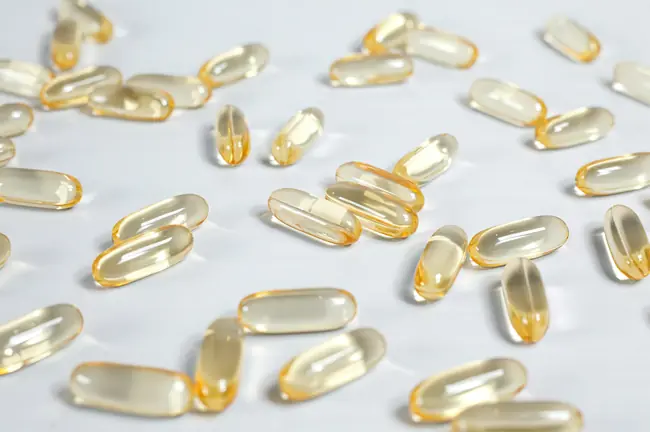
In 1971, two Danish researchers, Hans Olaf Bang and Jorn Dyerberg, flew to a remote settlement on the northwest coast of Greenland to answer a simple question: why did the Inuit, who ate a diet drenched in fat from seal and fish, seem to have so little heart disease? Their answer - that marine fats called omega-3 fatty acids were protecting Inuit hearts - launched fifty years of research, a global supplement industry, and the fish oil bottle now sitting in millions of medicine cabinets.
There is a twist. The two men were nutritionists, not cardiologists, and they never actually examined anyone's heart. Their conclusions leaned on incomplete death-certificate data, and a 2014 reassessment found the Inuit likely had coronary disease at rates similar to everyone else. The founding story was shakier than the headlines. That does not make omega-3s worthless - it makes them a perfect case study in reading nutrition evidence honestly: what is genuinely proven, what is promising, and what the label is quietly overselling.
The short version: Omega-3 fatty acids are essential fats your body cannot make on its own. The two that matter most for adults - EPA and DHA - come mainly from fatty fish, and most Americans get only a fraction of the amount research tends to use. They are clearly effective for one job (lowering high triglycerides), genuinely useful for a few others, and oversold for many. This guide explains what they do, how much you actually need, and how to tell a worthwhile supplement from an expensive one.
Key takeaways
- Omega-3s are essential fats your body cannot make, so they have to come from food. Three matter most: ALA from plants, plus EPA and DHA from marine sources.
- EPA and DHA do the work most people are after. EPA is the form most studied for triglycerides, mood, and inflammatory balance, while DHA is a major structural fat in the brain and retina and the one that matters most in pregnancy.
- Getting omega-3s "from plants" is only half true. Your body converts the plant form (ALA) into EPA and DHA at a rate the NIH describes as under 15%, and lower still for DHA, so flax and chia raise ALA but are an inefficient way to raise the EPA and DHA you actually use.
- Most Americans get only a fraction of the omega-3 that research uses. The gap is widest for anyone who rarely eats fatty fish.
- Vegans and vegetarians need an algae-based source. Algal oil supplies preformed EPA and DHA directly, without relying on the inefficient conversion from ALA.
- Treat the evidence honestly. Omega-3s are clearly useful for a few goals and oversold for many, so match a supplement to a real need rather than to the hype.
What Omega-3 Fatty Acids Actually Are
Omega-3s are a family of polyunsaturated fats, considered essential because your body cannot synthesize the parent fat from scratch - you have to eat it. Three members of the family do almost all the work people care about, and confusing them is the single most common reason an omega-3 plan goes sideways.
- ALA (alpha-linolenic acid) is the plant-based parent omega-3, found in flaxseed, chia, walnuts, and canola oil. It is the only omega-3 with an official daily intake target, and it is the one most people already get enough of.
- EPA (eicosapentaenoic acid) is a long-chain marine omega-3 from fatty fish and the algae fish eat. It is the form most studied for triglycerides, mood, and inflammatory balance.
- DHA (docosahexaenoic acid) is the other long-chain marine omega-3. It is a major structural fat in the brain and the retina, and it is the omega-3 that matters most during pregnancy and infant development.
Here is the catch that trips up almost everyone who tries to cover their omega-3 needs with plants. Your body can convert ALA into EPA and then into DHA, but the National Institutes of Health Office of Dietary Supplements describes that conversion as "very limited, with reported rates of less than 15%" - and the step from ALA to DHA is lower still. In plain terms, eating walnuts and flaxseed raises your ALA, but it is an inefficient way to raise the EPA and DHA your brain, eyes, and heart actually use. That is the difference between a bag of chia seeds and a serving of salmon, and it is why "I get my omega-3s from plants" is only half true.
| Omega-3 | Main sources | What it does | The catch |
|---|---|---|---|
| ALA (plant) | Flaxseed, chia, walnuts, canola oil | Energy; small backup supply the body can convert | Less than 15% converts to EPA, and far less to DHA - not a true substitute for marine omega-3 |
| EPA (marine) | Fatty fish, fish oil, algae | Studied for triglycerides, inflammatory balance, and mood | Nearly absent from plant foods; the "fish oil" you buy is mostly EPA plus DHA |
| DHA (marine) | Fatty fish, fish oil, algae | Structural fat in the brain and retina; key in pregnancy and infancy | Hardest of the three to make from ALA; vegans need an algal source to get it directly |
Are You Actually Short on Omega-3?
Probably, if you rarely eat fish. The NIH reports that EPA and DHA from food contribute "about 90 mg" per day for the average American adult. Compare that to the roughly 250 to 500 mg of combined EPA and DHA per day that many health organizations suggest as a floor, or the larger amounts used in clinical trials, and the gap is obvious. Most people are not getting a dangerous deficiency - true deficiency is rare - but a lot of us sit well below the intake levels associated with the benefits.
You will also see omega-3 framed as a ratio problem: modern diets are heavy in omega-6 fats (from vegetable oils and processed food) and light in omega-3, and the omega-6 to omega-3 ratio in a typical Western diet is often estimated near 15:1 or higher, versus an estimated 1:1 to 4:1 in ancestral diets. The ratio is a useful way to picture the imbalance, but it is a poor target to chase. The more practical lever, and the one the research actually measures, is raising your absolute intake of EPA and DHA - not endlessly cutting omega-6. If you are building an anti-inflammatory eating pattern, more oily fish does more than agonizing over cooking-oil math.
The people most likely to be genuinely low are easy to spot: anyone who does not eat fish, people following vegan or vegetarian diets (who get little to no direct EPA or DHA), and pregnant or breastfeeding women, whose DHA needs rise at exactly the time many cut back on fish over mercury worries.
What the Evidence Actually Shows, Outcome by Outcome
This is where honesty matters most, because omega-3 is a nutrient where the marketing and the data have drifted far apart. The evidence is strong for one thing, reasonable for a couple more, and thin-to-absent for several of the claims that sell the most bottles. Here is the outcome-by-outcome breakdown.
Triglycerides: the strongest evidence
If omega-3 has a headline use, this is it. In a 2019 science advisory, the American Heart Association reviewed the trials and concluded that 4 grams per day of prescription-grade EPA and DHA lowers triglycerides by 20% to 30% in people with high levels, and can be used safely alongside statins. This is a real, measurable, dose-dependent effect - the kind of result the rest of the omega-3 story rarely delivers. Note the dose, though: this is a clinical dose of concentrated omega-3, not the amount in a typical one-a-day fish oil softgel, and it belongs in a conversation with your doctor, not a self-prescription. If high triglycerides are your concern, our guide to lowering cholesterol and triglycerides naturally puts omega-3 in context with fiber, exercise, and diet.
Heart attacks and strokes: genuinely mixed
This is the claim that built the industry, and it is the one the recent evidence has most complicated. Three large trials tell the story:
- VITAL (New England Journal of Medicine, 2019) gave nearly 26,000 healthy adults 1 gram of fish oil per day. It did not reduce the main combination of major cardiovascular events overall, though a secondary analysis hinted at fewer heart attacks, with a larger apparent benefit in people who ate little fish.
- STRENGTH (JAMA, 2020) tested 4 grams per day of a high-dose EPA-and-DHA preparation in over 13,000 high-risk patients and found no cardiovascular benefit at all - the trial was stopped early.
- REDUCE-IT (New England Journal of Medicine, 2019) is the outlier. In about 8,000 statin-treated patients who already had heart disease or diabetes plus elevated triglycerides, 4 grams per day of a purified EPA-only drug cut major cardiovascular events by 25%. That is a striking result, but it used a prescription dose of pure EPA in high-risk patients - not an over-the-counter fish oil in a healthy person - and researchers still debate how much the placebo used in the trial influenced the size of the effect.
The honest takeaway: regularly eating fish is consistently associated with lower cardiovascular risk, and the FDA permits a qualified claim that EPA and DHA "may reduce the risk of coronary heart disease" while calling the research "supportive but not conclusive." But for a generally healthy, reasonably well-nourished person, a standard fish oil supplement has not been shown to prevent heart attacks. If you want to dig into how a claim like that gets evaluated, our piece on choosing quality supplements walks through reading evidence and labels.
Brain, mood, eyes, and joints: promising to thin
DHA is unquestionably a structural building block of the brain and retina, which is why it matters so much in pregnancy and early life. Translating that biology into "fish oil makes adults smarter or happier," however, is where the evidence thins out. The NIH summarizes that long-chain omega-3 supplementation "does not affect cognitive function in healthy older adults," and large trials in age-related macular degeneration found that omega-3s "did not reduce the risk of progression." A major dry-eye trial (DREAM) found no benefit from 3,000 mg of omega-3 over placebo - which is why our guide to nutrients for eye health treats omega-3 as a supporting player rather than a fix. For mood and joint comfort, the signals are modest and most consistent at higher EPA doses, but the evidence is far from settled. None of this means omega-3 is useless for these uses; it means the certainty does not match the confidence of the marketing.
| Use | What the best evidence shows | Strength |
|---|---|---|
| Lowering high triglycerides | 4 g/day of EPA+DHA lowers triglycerides 20-30% (AHA advisory) | Strong |
| Pregnancy and infant brain/eye development | DHA is a structural fat for the developing brain and retina | Strong |
| Preventing heart attacks/strokes | Fish intake linked to lower risk; supplements mixed (VITAL/STRENGTH neutral, REDUCE-IT positive at a drug dose) | Mixed |
| Mood and joint comfort | Modest signals, mostly at higher EPA doses; not settled | Emerging |
| Cognition in healthy older adults | No effect in trials | Weak/none |
| Eye health (AMD progression, dry eye) | No benefit over placebo in major trials | Weak/none |
How Much You Need, and How to Read the Label
There is no official RDA for EPA and DHA - the Institute of Medicine set an intake target only for plant-based ALA (1.6 grams a day for men, 1.1 grams for women), which most people already meet. For the marine omega-3s, the practical floor many groups point to is roughly 250 to 500 mg of combined EPA and DHA per day for general health, which two servings of fatty fish a week comfortably covers. Higher, therapeutic doses are a separate, doctor-guided conversation.
The most important label skill is this: dose on EPA and DHA, not on "fish oil." A bottle can shout "1,000 mg fish oil" on the front while the back panel reveals only 300 mg of actual EPA and DHA per softgel - the rest is other fats. Two products at the same "fish oil" number can deliver very different active doses. Flip to the Supplement Facts panel, find the EPA and DHA milligrams per serving, and add them up. For reference, the FDA's qualified health claim requires a product to contain at least 0.8 grams (800 mg) of combined EPA and DHA per serving to carry it.
| What the front says | What it actually means | What to check instead |
|---|---|---|
| "1,000 mg fish oil" | Total oil, most of which is not EPA or DHA | EPA + DHA milligrams per serving on the back panel |
| "Omega-3" | May include ALA, which is not the marine form you are buying for | That the omega-3 listed is EPA and DHA specifically |
| "High potency" / "triple strength" | Marketing terms with no fixed definition | The actual EPA + DHA number, and the serving size needed to reach it |
| "Wild" / "purified" | Implies cleanliness but is not a guarantee | A third-party seal (IFOS, USP, or NSF) for purity and freshness |
Two safety notes. The FDA considers supplements providing up to 5 grams a day of combined EPA and DHA to be safe, but very high intakes (above roughly 900 mg EPA plus 600 mg DHA daily for weeks) may blunt immune function, and omega-3 can have a mild blood-thinning effect. If you take an anticoagulant such as warfarin, are scheduled for surgery, or are pregnant, talk to your healthcare provider before starting a high-dose product.
Fish, Fish Oil, or Algae? Choosing a Source
Food first is not a cliche here - it is the recommendation backed by the strongest data. The American Heart Association advises eating fish at least twice a week, with an emphasis on fatty fish, a serving being about 3 ounces cooked. Whole fish also brings protein, selenium, and vitamin D that a capsule does not.
If you do supplement, the source matters:
- Standard fish oil is the most studied and usually the best value per milligram of EPA and DHA. Concentrated versions pack more active omega-3 into fewer softgels.
- Cod liver oil adds vitamins A and D, which is a feature for some and a reason for caution for others, since vitamin A accumulates.
- Krill oil is marketed for better absorption; the evidence for that edge is limited, and it typically costs more per milligram of EPA and DHA.
- Algal (algae) oil is the vegan and vegetarian route to real EPA and DHA - the same source the fish themselves get it from. We do not currently stock an algal oil, so plant-based shoppers who want direct EPA and DHA should look specifically for an "algal oil" or "vegan omega-3" product; ALA from chia seeds, flax, and walnuts is a helpful addition but, because of that conversion bottleneck, not a full replacement.
Two more quality issues that rarely make the front label. Freshness matters because omega-3 oils oxidize - a strongly fishy smell or persistent fishy burps can signal a rancid product, so buy from brands with turnover and store the bottle cool and dark. Purity matters because fish can carry mercury and other contaminants; reputable supplements are distilled to remove them, and a third-party certification (IFOS, USP, NSF) is the most reliable signal that what is on the label is actually in the bottle. When you eat fish, the FDA and EPA advice is to favor lower-mercury choices like salmon, sardines, and anchovies and to limit high-mercury fish such as shark, swordfish, and king mackerel - guidance that is especially important during pregnancy and for young children.
So Who Actually Needs a Supplement?
Strip away the marketing and the picture is straightforward. Most people should aim for two servings of fatty fish a week and treat a supplement as a backup, not a default. A supplement earns its place when:
- You do not or cannot eat fish - a basic EPA and DHA product closes the gap.
- You are vegan or vegetarian - an algal oil is the way to get EPA and DHA directly rather than relying on poor ALA conversion.
- You are pregnant or breastfeeding - DHA needs rise, and a low-mercury supplement is often the simplest way to meet them; choose a product designed for pregnancy and confirm it with your provider.
- You have high triglycerides - this is the one scenario where higher, possibly prescription-strength doses are genuinely indicated, under medical supervision.
For everyone else, the goal is consistency at a sensible dose, not chasing the biggest number on the shelf. If your routine calls for one, products like Nordic Naturals Ultimate Omega deliver a high concentration of EPA and DHA per softgel, while a label-honest option such as NOW Ultra Omega-3 states its EPA and DHA right in the name. If your clinician has steered you toward more EPA specifically, a higher-EPA concentrate like Wiley's Finest Peak EPA fits that goal. When you are ready to compare specific products head to head, our guide to the best fish oil supplements walks through the buying decision in detail, and omega-3 also earns a spot in the broader healthy-aging picture alongside the other nutrients that compound over decades.
Frequently Asked Questions
Is it better to get omega-3 from fish or from a supplement? Food first. Two servings of fatty fish a week supplies EPA and DHA along with protein, selenium, and vitamin D, and fish intake has the most consistent link to lower cardiovascular risk. A supplement is a sensible backup when you do not eat fish, follow a plant-based diet, are pregnant, or need a therapeutic dose for high triglycerides.
How much EPA and DHA should I take per day? There is no official RDA. A common general-health floor is roughly 250 to 500 mg of combined EPA and DHA per day, which two fish meals a week cover. Higher therapeutic doses - up to 4 grams a day for high triglycerides - are a doctor-guided decision, not a self-prescription.
Why does the conversion from flaxseed and chia not count the same as fish? Plant foods supply ALA, which your body converts to EPA and DHA at a rate the NIH describes as less than 15%, with even less reaching DHA. Plant omega-3s are worth eating, but they are an inefficient way to raise the marine omega-3s your brain, eyes, and heart use.
Does fish oil prevent heart attacks? The evidence is mixed. Large trials in generally healthy or broad populations (VITAL, STRENGTH) did not show that supplements prevent major cardiovascular events, while a prescription pure-EPA drug at 4 grams a day (REDUCE-IT) cut events in high-risk patients with elevated triglycerides. For a healthy person, a standard fish oil has not been proven to prevent heart attacks, though eating fish is linked to lower risk.
What is a clean, fresh fish oil and how do I spot one? Look for the EPA and DHA milligrams per serving (not just "fish oil"), a third-party seal such as IFOS, USP, or NSF for purity and freshness, and a brand with good turnover. A strongly fishy odor or repeated fishy burps can signal oxidation; store the bottle cool and dark.
Is there a vegan source of EPA and DHA? Yes - algal (algae) oil provides EPA and DHA directly, which is where fish get theirs. It is the best option for vegans and vegetarians who want the marine forms rather than relying on ALA from flax, chia, and walnuts.
The Bottom Line
Fifty years after a hypothesis on a Greenland coastline, the honest verdict on omega-3 fatty acids is more useful than the original promise. They are essential fats most of us under-eat; EPA and DHA from fish are the forms that matter; the evidence is strong for triglycerides and infant development, real but mixed for heart events, and thin for the brain-and-beauty claims that move the most product. Eat fatty fish twice a week, supplement deliberately if you fall into one of the gaps, read the EPA-plus-DHA number rather than the marketing, and you will have done the part that the science actually supports - without the part it does not.
This article is for general education and is not medical advice. Talk with your healthcare provider before starting a high-dose omega-3 supplement, especially if you take blood thinners, are scheduled for surgery, or are pregnant or breastfeeding.
Sources
- NIH Office of Dietary Supplements - Omega-3 Fatty Acids (Health Professional Fact Sheet)
- American Heart Association - Fish and Omega-3 Fatty Acids
- Skulas-Ray et al. - Omega-3 Fatty Acids for the Management of Hypertriglyceridemia: AHA Science Advisory, Circulation 2019
- Manson et al. - Marine n-3 Fatty Acids and Prevention of Cardiovascular Disease and Cancer (VITAL), NEJM 2019
- Bhatt et al. - Cardiovascular Risk Reduction with Icosapent Ethyl for Hypertriglyceridemia (REDUCE-IT), NEJM 2019
- Nicholls et al. - High-Dose Omega-3 Fatty Acids vs Corn Oil on Major Adverse Cardiovascular Events (STRENGTH), JAMA 2020
- U.S. FDA - Qualified Health Claims: Letters of Enforcement Discretion (EPA and DHA omega-3)
- U.S. FDA and EPA - Advice About Eating Fish